Arrests Surge as Public Protests Target Data Center Construction
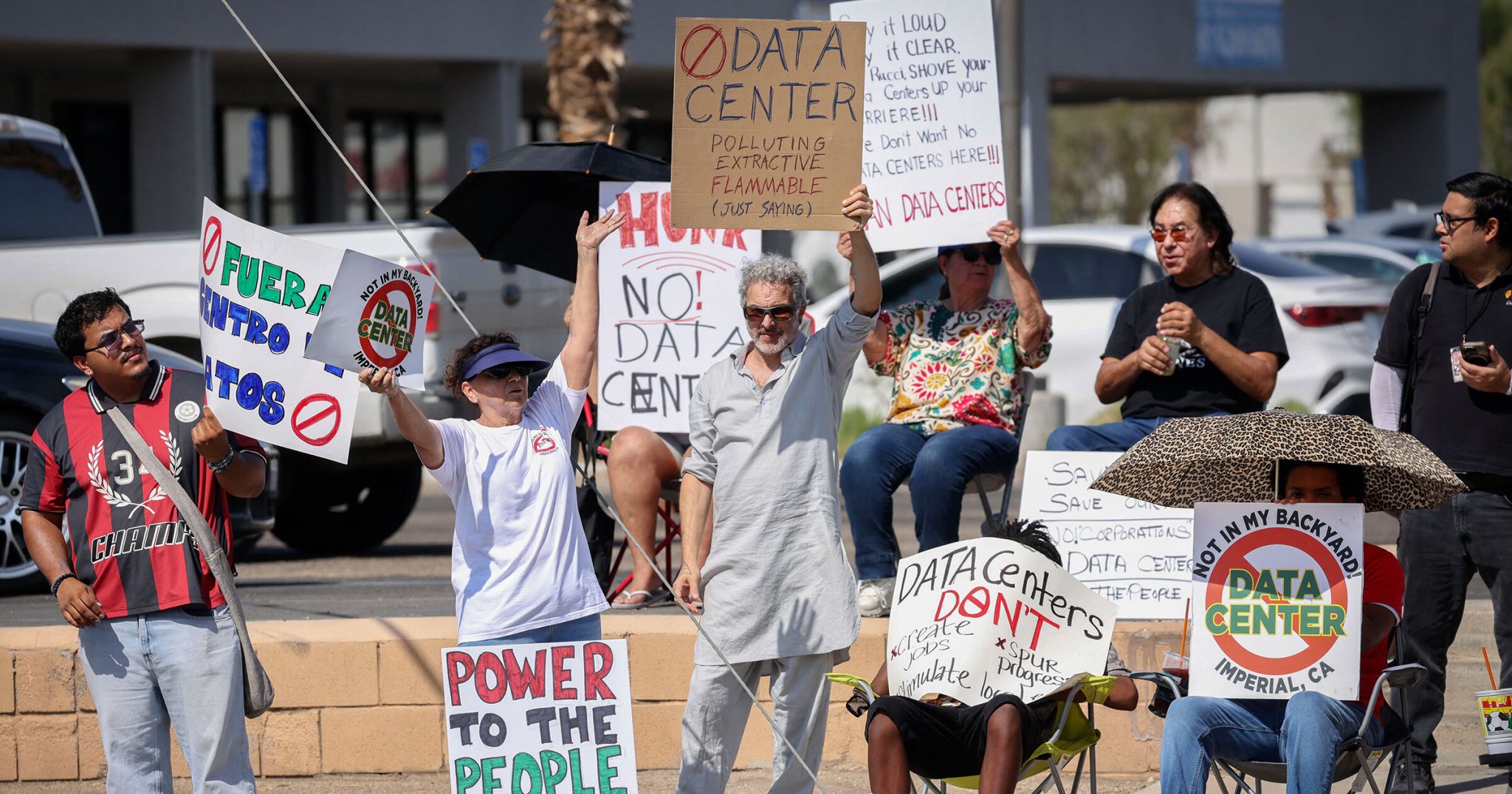
An increasing number of ordinary citizens are being arrested for protesting the construction of data centers. This trend indicates a growing public opposition to the development of these facilities. The protests highlight concerns among local communities regarding the environmental and infrastructural impacts of data centers. While the exact number of arrests is not specified, the headline suggests it is significant and surprising. The movement reflects a broader societal awakening and pushback against large-scale technological infrastructure projects. These actions signal a new phase of public engagement with the physical footprint of the digital world. The article implies that the public is becoming more vocal and active in challenging decisions that affect their communities. This phenomenon is occurring across various locations, suggesting a widespread issue rather than isolated incidents. The situation underscores a growing tension between technological expansion and community well-being.
The rising number of arrests for protesting data center construction points to a growing societal friction between rapid digital infrastructure expansion and local community concerns. This trend may reflect increasing public awareness of the significant environmental footprints of data centers, including energy consumption and water usage, as well as their impact on local resources and landscapes. From a systems perspective, the current development model for data centers often prioritizes rapid deployment and economic returns, potentially overlooking or inadequately addressing the externalities that affect local populations. Future planning frameworks may need to incorporate more robust community consultation and environmental impact assessments to mitigate such conflicts. This situation highlights a potential systemic contradiction: the digital economy's growth relies on physical infrastructure that can, in turn, face significant local resistance, posing a challenge to sustained development and requiring adaptive governance models.
AI-generated to prompt reflection — not editorial opinion, not advice, not a statement of fact. How this works.
