Arrow-wounded capybara dies after rescue at São Paulo reservoir
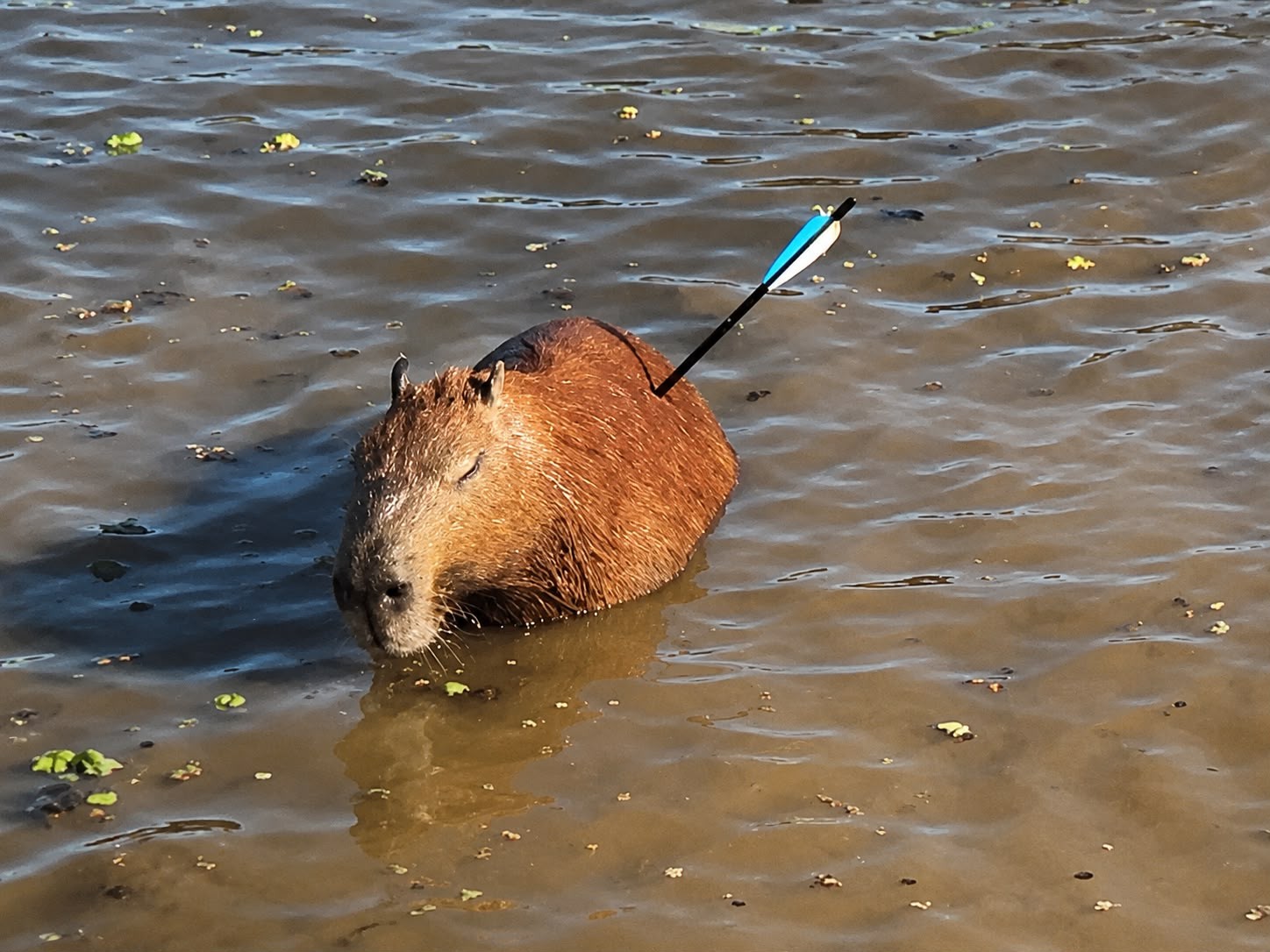
A capybara found with an arrow lodged in its body has died following a rescue operation at the Guarapiranga Dam in the southern zone of São Paulo. The animal was spotted by residents in the M'Boi Mirim region on Sunday, May 26th, who then alerted the Metropolitan Civil Guard's Nautical Unit. Rescuers found the capybara severely injured by the arrow, prompting concerns of illegal wildlife hunting. The capybara was transported to the Center for Management and Conservation of Wild Animals (CeMaCAS) for treatment but unfortunately succumbed to its injuries. The Municipal Secretariat for the Green and Environment (SVMA) announced that necropsy examinations will be conducted to determine the exact cause of death. The SVMA strongly condemned the act of violence against wildlife, emphasizing that harming or killing wild animals is a violation of environmental law, specifically citing Law No. 9.605/1998. In response, the Environmental Civil Guard plans to increase patrols in the area, collaborating with GCM nautical teams, to identify and apprehend those responsible. The SVMA advises the public to contact the Environmental Civil Guard at 153 or the Wildlife Division via WhatsApp at (11) 95220-0219 if they encounter injured or endangered wild animals.
This incident highlights the persistent challenge of illegal wildlife hunting and animal cruelty in urban and peri-urban environments, even within a major metropolitan area like São Paulo. The swift response from residents and the GCM demonstrates a growing public awareness and willingness to protect wildlife. However, the capybara's death underscores the critical need for more effective deterrents and enforcement mechanisms against environmental crimes. Future efforts should focus on understanding the underlying incentives for such acts and exploring technological solutions for enhanced surveillance and rapid response, particularly in ecologically sensitive areas like reservoirs. The case also points to the importance of accessible and well-resourced wildlife rehabilitation centers capable of handling severe trauma, as the animal did not survive despite rescue efforts.
AI-generated to prompt reflection — not editorial opinion, not advice, not a statement of fact. How this works.