Arsene Wenger Backs FIFA's Decision to Scrap World Cup Commercialization Plan
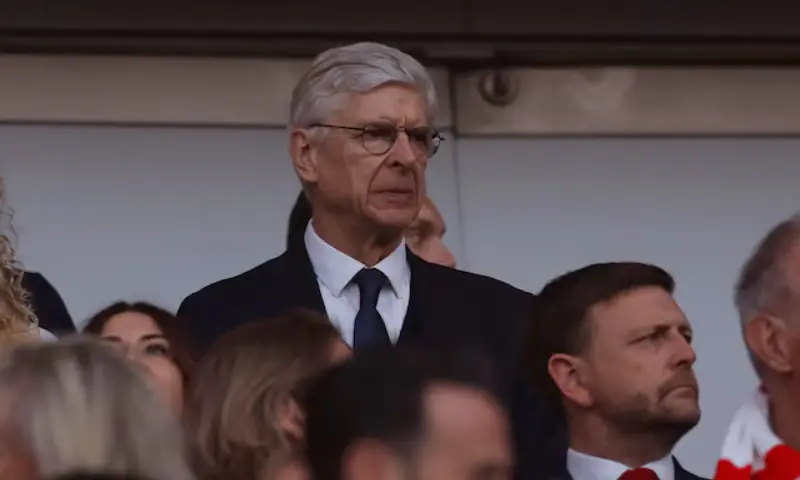
Former Arsenal manager Arsene Wenger has stated that FIFA's decision to abandon President Gianni Infantino's plan to sell stakes in the World Cup was "absolutely necessary and beyond question." Wenger, who serves as FIFA's Chief of Global Football Development since his 2019 appointment, publicly criticized the scheme on Tuesday.
Infantino's proposal involved selling a 20% stake in the World Cup to private equity investors through a venture called FIFA Forward Enterprise. This plan faced significant backlash, including rejection by three continental confederations and a threat of boycott from UEFA, Europe's football governing body. Wenger, unaware of the project until media reports, emphasized his belief in an independent FIFA committed to transparency and integrity.
The withdrawal of the plan follows criticism from FIFA's Chief Operating Officer, Kevin Lamour, who claimed staff were "deceived." Several European football associations, including the Football Association of Wales, have withdrawn their support for Infantino ahead of his re-election bid in March. UEFA also expressed a loss of confidence in Infantino, despite welcoming the plan's withdrawal. The commercialization idea was also set to impact agreements between European clubs and FIFA regarding Club World Cup competition rights.
The controversy surrounding FIFA's proposed World Cup commercialization highlights a fundamental tension between revenue generation and the integrity of global football governance. FIFA's leadership sought to leverage the World Cup's immense commercial value through private equity, aiming for financial expansion. However, this approach risked alienating stakeholders and potentially compromising the organization's independence and transparency, as voiced by Arsene Wenger and several European football bodies. The swift backlash and withdrawal suggest that while financial innovation is necessary, it must align with established governance principles and stakeholder consensus to maintain trust and avoid systemic disruption. Future strategies will likely need to balance commercial ambitions with robust oversight and a clear demonstration of how such deals serve the broader interests of the sport, particularly in the context of evolving global sports economics and the increasing influence of private capital.
AI-generated to prompt reflection — not editorial opinion, not advice, not a statement of fact. How this works.
