Arsonist of Grandparents' Home of Missing Boy Émile Sentenced to Two Years
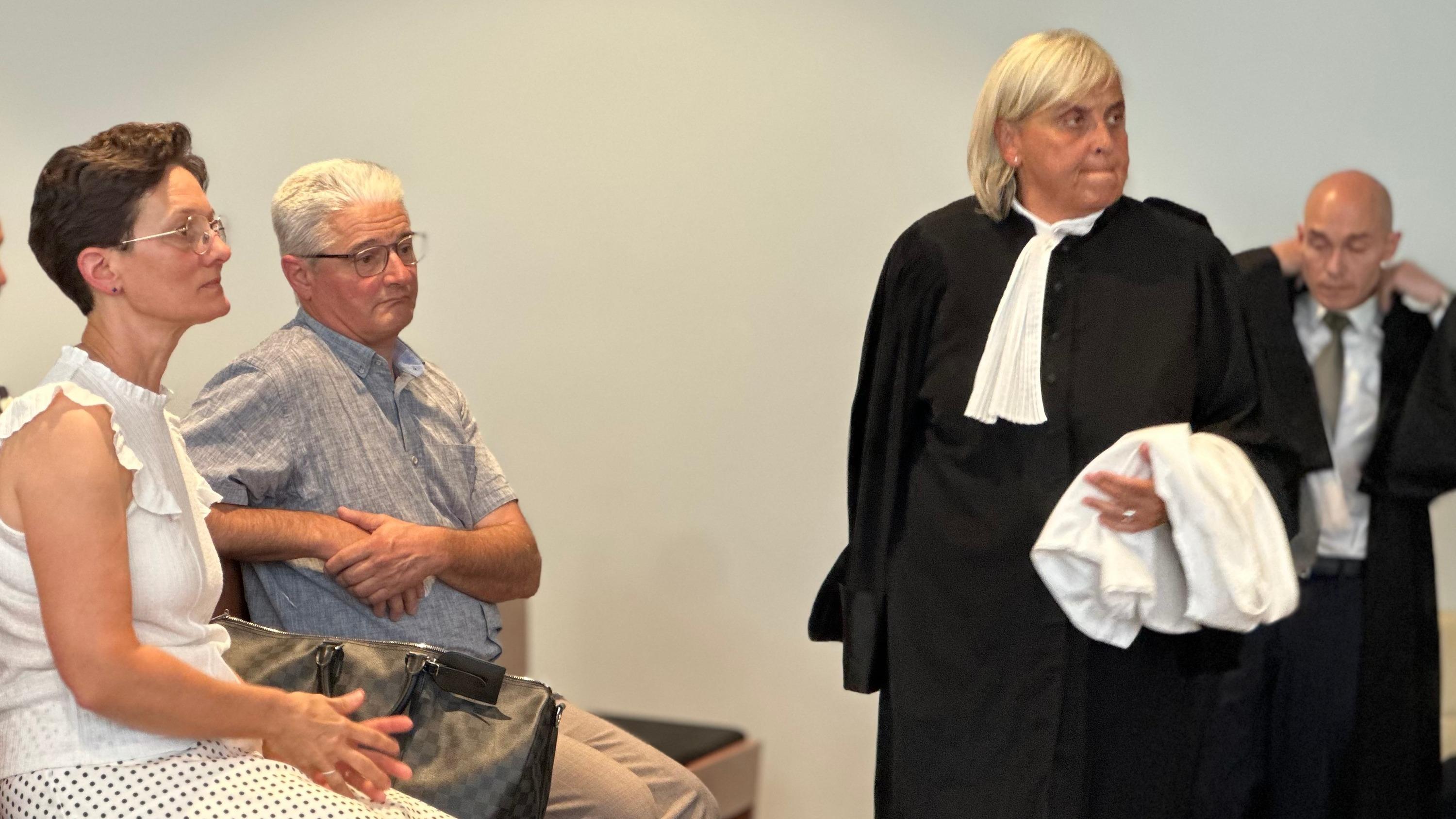
A court has sentenced an arsonist to two years in prison for setting fire to the home of the grandparents of Émile, a young boy who disappeared three years ago. The arsonist stated that this act was the only way they could find to "make the investigation rebound." The incident highlights a different form of violence associated with the case: the transformation of Émile's disappearance into a platform for personal convictions and vigilante justice. This parallel justice system emerged as the case became a focal point for individuals seeking to impose their own certainties. The fire at the grandparents' residence is seen as a manifestation of this broader societal reaction to the unresolved disappearance.
The arson incident and subsequent sentencing underscore the profound societal impact of prolonged, unresolved disappearances. The perpetrator's stated motive suggests a desire to force action or attention onto a case perceived as stalled, reflecting a breakdown in trust with official investigative processes. This phenomenon of "parallel justice" can arise when public engagement with a high-profile case becomes intensely emotional, leading some individuals to bypass established legal and investigative channels. Such actions, while perhaps stemming from a desire for closure or accountability, ultimately introduce further complications and potential injustices. From a systemic perspective, this highlights the critical need for transparent communication and effective progress in investigations to maintain public confidence and prevent the emergence of extralegal responses.
AI-generated to prompt reflection — not editorial opinion, not advice, not a statement of fact. How this works.