Art Installation Highlights Plastic Pollution's Impact on Life and Ecosystems
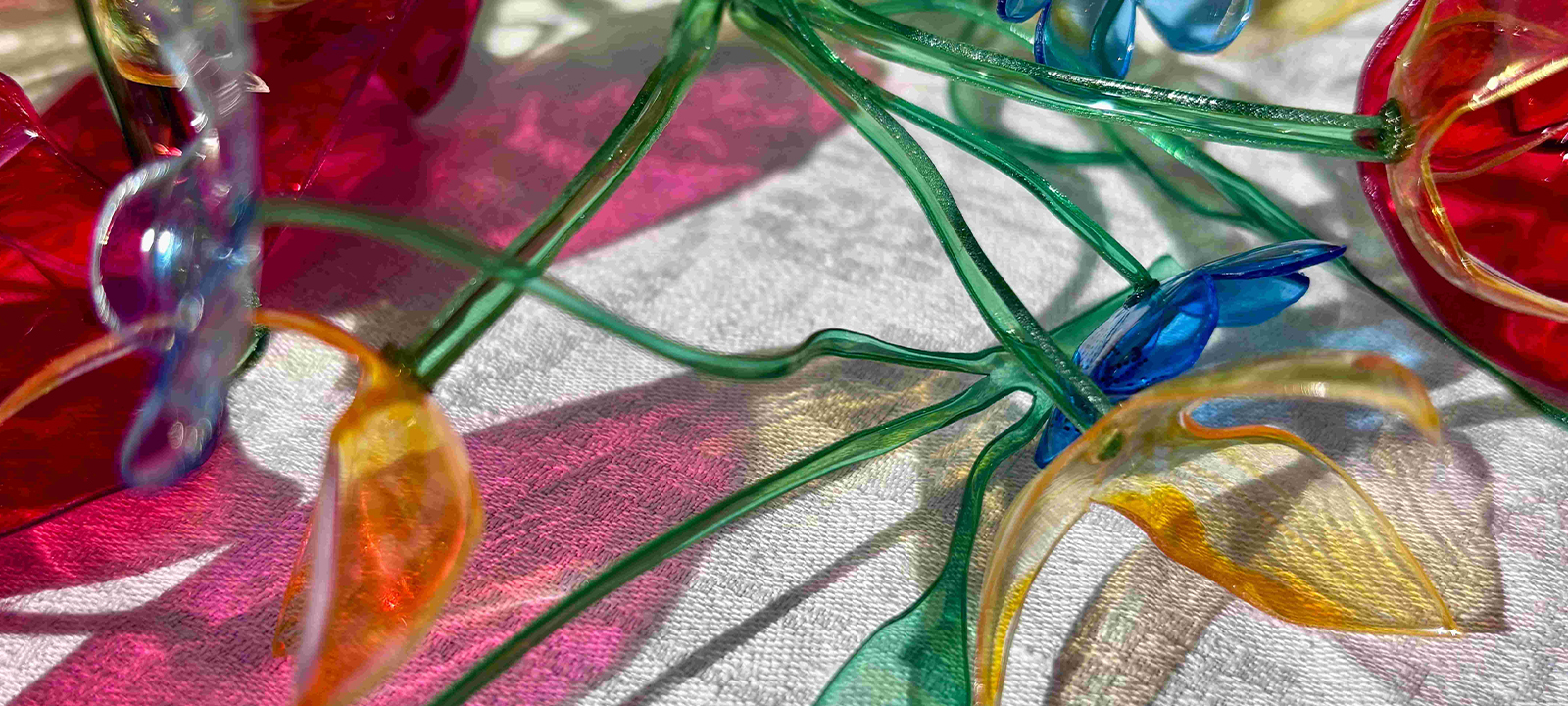
The Fernando Leite Couto Foundation in Maputo, Mozambique, is hosting a new art exhibition titled "Dez Primaveras" (Ten Springs) by Ecuadorian artist Sue Bejarano. The exhibition, which opened on Tuesday, features an installation designed to make viewers contemplate the effects of plastic pollution on both ecosystems and human life. Accompanying the opening was a discussion on the consequences of plastic waste in nature, featuring environmentalist Isildo Nhantumbo. The central artwork is composed entirely of reused plastic bottles, with 520 suspended flowers, each symbolizing one week of human life. This arrangement aims to represent the estimated amount of plastic a person consumes unknowingly over a decade. The artist highlights that unlike natural flowers, these plastic creations do not decompose or aid nature's regeneration; instead, they persist for decades, breaking down into microplastics that re-enter the human body through various pathways. Bejarano transforms discarded materials into meaningful art, prompting reflection on consumption habits, environmental responsibility, and the often-unseen impacts of plastic culture. The exhibition also draws attention to the difficulties many societies face in managing solid waste, particularly where recycling systems and environmental policies are limited. Sue Bejarano, who is currently based in Maputo, focuses her artistic practice on contemporary environmental issues, creating sculptures and installations from discarded materials and natural elements. Her work has been exhibited internationally and is held in private collections across Europe, Africa, and America. "Dez Primaveras" offers a unique opportunity to engage with art that combines ecological awareness and sensory experience, underscoring art's role in fostering dialogue about current environmental challenges.
This exhibition leverages artistic expression to address the pervasive issue of plastic pollution, a critical challenge in the Anthropocene. By transforming waste into a visual representation of human consumption over time, the installation prompts a visceral understanding of our material footprint. The artist's focus on the longevity of plastic and its fragmentation into microplastics highlights a systemic contradiction: materials designed for durability create persistent environmental burdens. This artistic intervention serves as a critical lens on global waste management systems, particularly in regions with limited infrastructure, urging a re-evaluation of production, consumption, and disposal paradigms. The work encourages a shift from passive consumption to active environmental stewardship, aligning with the growing imperative for circular economy principles and sustainable practices in the coming decade.
AI-generated to prompt reflection — not editorial opinion, not advice, not a statement of fact. How this works.