Art's Power Lies in Necessity, Not Volume, Says Composer Irena Popović
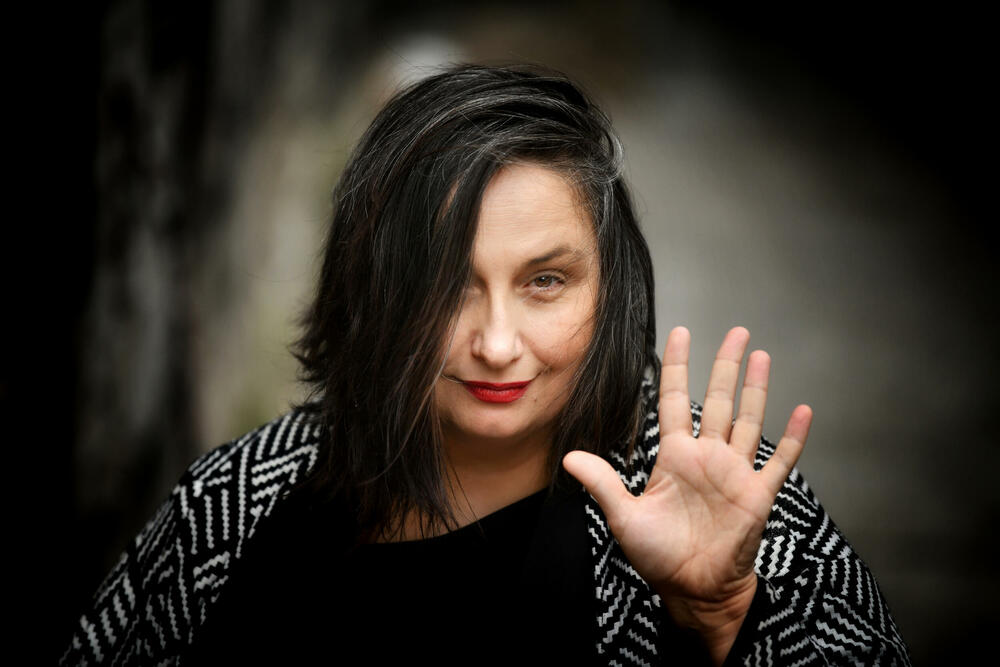
Composer and director Irena Popović believes that art loses its vitality when it ceases to question itself, becoming an artifact rather than a living entity. In an interview, she emphasized that art's strength does not increase with the amount it says, but rather with its courage to articulate only what is essential. This perspective suggests a focus on precision and depth over verbosity in artistic expression. Popović's viewpoint highlights the importance of introspection and deliberate communication in maintaining the relevance and impact of creative works. She implies that artists should strive for impactful conciseness, allowing the core message to resonate without unnecessary elaboration. This approach encourages a more profound engagement with the audience, fostering a deeper understanding and appreciation of the art's intent. The principle extends beyond music and film, suggesting a universal application to all forms of artistic endeavor.
This perspective on artistic creation emphasizes the value of essentialism and self-reflection. By positing that art ceases to be 'living' when it stops questioning itself, Popović highlights a potential systemic contradiction: the pursuit of artistic innovation versus the risk of becoming an ossified artifact. The AI era, with its capacity for infinite content generation and rapid dissemination, may exacerbate this tension. Artists and creators face increasing pressure to produce volume, potentially at the expense of depth and critical self-examination. The challenge for creators and cultural institutions in the coming decade will be to foster environments that reward thoughtful, necessary expression over sheer output, ensuring that art remains a dynamic force for societal dialogue and introspection rather than a passive commodity.
AI-generated to prompt reflection — not editorial opinion, not advice, not a statement of fact. How this works.