Arte Pará 2026 Visual Arts Exhibition: Registration Deadline Approaching
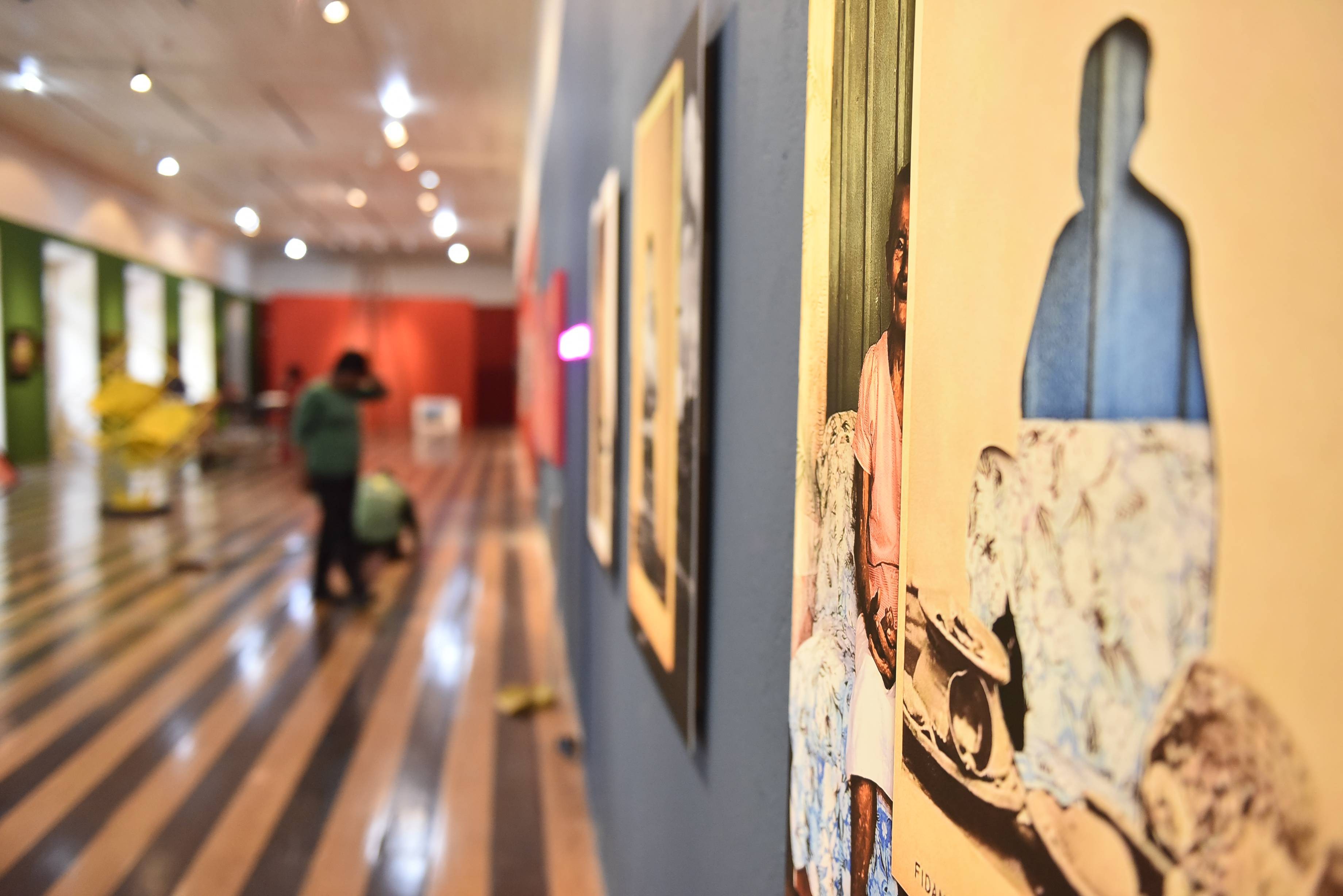
Visual artists have until July 31, 2026, to submit their applications for the 42nd edition of Arte Pará, a significant exhibition for artistic production in the state of Pará, Brazil. Established in 1982, this event is recognized as one of the primary showcases for visual arts in the Amazon region. The exhibition, which will open on November 5, 2026, at the Museu do Estado do Pará (MEP) in Belém, aims to highlight contemporary creations from artists in Pará. A total of 25 artists will be selected across nine distinct categories, with details on eligible art forms, selection criteria, and participation rules outlined in the official call for entries. Curated by visual artist Keyla Sobral, the return to a competitive format is expected to encourage the presentation of new and recent works. Sobral anticipates that this competitive structure will inspire artists to submit their latest projects and unpublished pieces, thereby fostering a display of emergent and current artistic production from Pará. The Arte Pará was originally conceived in 1982 by Romulo Maiorana and Déa Maiorana to promote and elevate visual arts within the state. The 2026 edition is managed by the Fundação Romulo Maiorana (FRM) and funded through the Federal Law of Cultural Incentive (Lei Rouanet), with sponsorship from Phebo and Vale. Eligible participants are Brazilian visual artists, over 18 years old and residing in Pará, who are either native-born or naturalized.
The Arte Pará exhibition, a long-standing cultural initiative in Pará, Brazil, leverages federal and corporate sponsorship to foster local artistic talent. By reintroducing a competitive element, the organizers aim to stimulate the creation and exhibition of contemporary works, potentially increasing the visibility and market value of participating artists. This model, reliant on cultural incentive laws and private sector backing, highlights the ongoing challenge of sustainable funding for the arts. As digital platforms and globalized art markets evolve, such regional exhibitions face the dual task of preserving local identity while adapting to broader trends, ensuring artists can thrive both within their communities and on a wider stage.
AI-generated to prompt reflection — not editorial opinion, not advice, not a statement of fact. How this works.