Artemis II Mission Controller Recounts Tense Moments of Historic Lunar Flyby
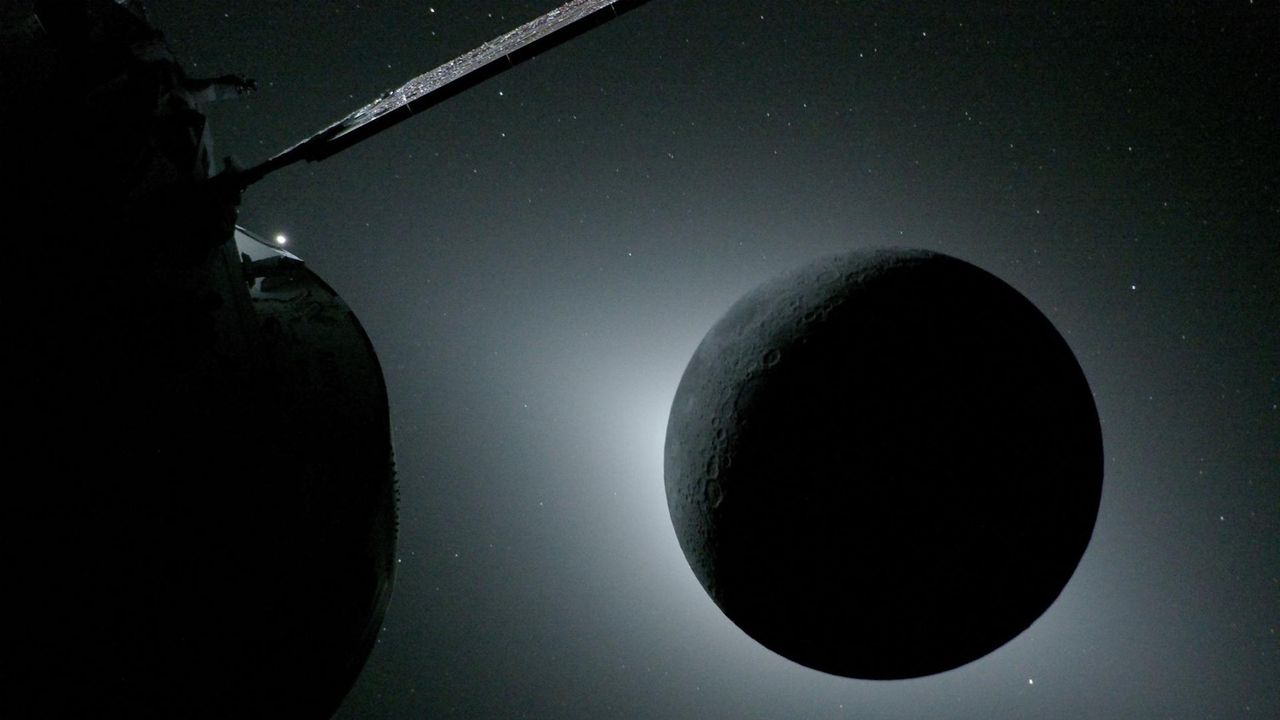
Chris White, the lead communications officer for the Artemis II mission, has shared his experiences from mission control in Houston during the historic lunar flyby. He described the mission as involving some of the tensest and most shocking moments he has witnessed. The mission involved capturing photographs of the moon from an extraordinary distance of approximately 250,000 miles. White's perspective offers an inside look at the operational challenges and emotional weight carried by the team managing such a significant space endeavor. The Artemis II mission aimed to pave the way for future lunar exploration by testing critical systems and procedures. The success of this flyby was crucial for validating the capabilities of the spacecraft and the ground support infrastructure. White's account highlights the human element behind the technological achievement, emphasizing the pressure and precision required for deep space missions.
The Artemis II mission's success in executing a historic lunar flyby and capturing images from a quarter-million miles away underscores the advancements in deep space communication and navigation. The mission controller's account reveals the significant human element and psychological pressure inherent in managing complex, high-stakes space operations. As humanity ventures further into space, the reliability of communication systems and the psychological resilience of mission control teams will become increasingly critical. Future missions will likely see further integration of AI to assist human operators, potentially mitigating some of the tension and improving decision-making under extreme conditions, while also raising questions about human oversight in autonomous space exploration.
AI-generated to prompt reflection — not editorial opinion, not advice, not a statement of fact. How this works.