Artemis III: NASA's Most Complex Mission Yet
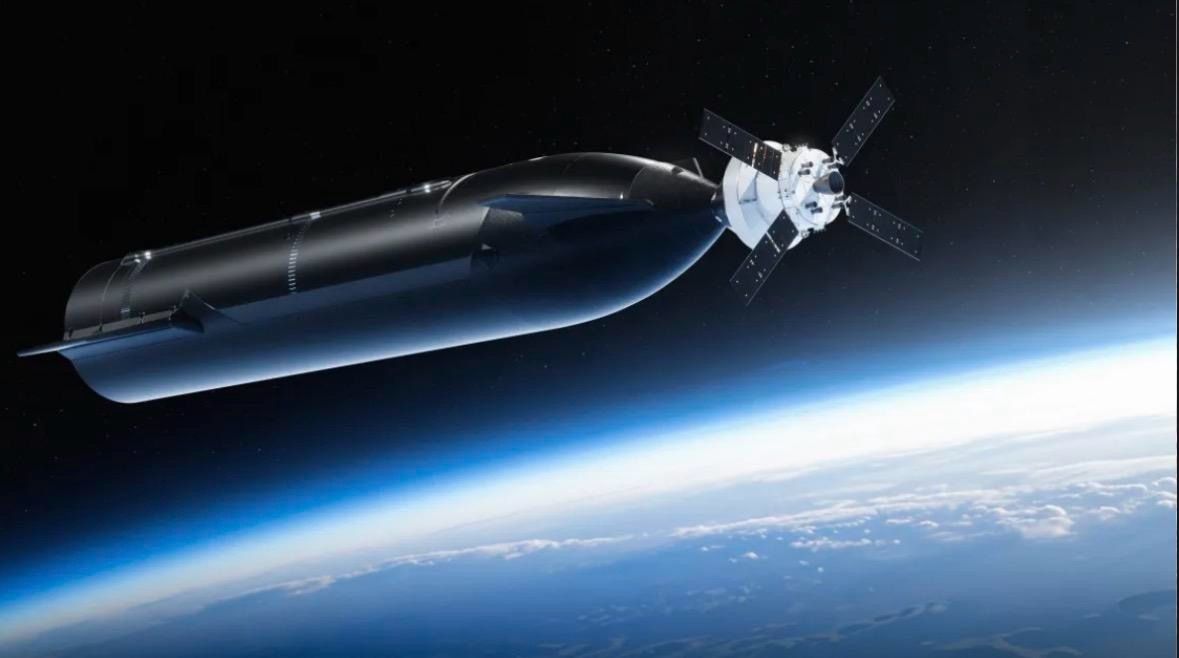
NASA's upcoming Artemis III mission is set to be its most intricate undertaking to date, involving the synchronized launch and orbital rendezvous of three distinct spacecraft. This mission will carry four astronauts into orbit, marking a significant step in NASA's lunar exploration program. The complexity arises from the need to manage multiple vehicles and their interactions in space, a challenge that surpasses previous missions in terms of coordination and technical requirements. The mission's duration in orbit is planned for two weeks, during which critical objectives related to lunar exploration will be pursued. This ambitious endeavor highlights NASA's commitment to pushing the boundaries of space exploration and developing advanced capabilities for future missions. The successful execution of Artemis III will depend on the seamless integration and operation of all three spacecraft and the four-person crew.
The Artemis III mission's designation as NASA's most complex endeavor underscores the escalating technical demands of deep space exploration. Coordinating multiple spacecraft and a human crew for extended lunar missions requires sophisticated mission control, advanced propulsion systems, and robust life support. This complexity presents inherent risks, necessitating rigorous testing and contingency planning to mitigate potential failures. As space agencies increasingly rely on multi-vehicle architectures for ambitious goals like lunar landings and Mars transits, managing these intricate systems becomes a critical factor in mission success and budget adherence. The future of human spaceflight hinges on developing scalable and reliable systems capable of handling such complex operations, balancing ambitious scientific objectives with the paramount need for crew safety and resource efficiency.
AI-generated to prompt reflection — not editorial opinion, not advice, not a statement of fact. How this works.