Artemis IV landing site debate: South Pole vs. Lunar Equator
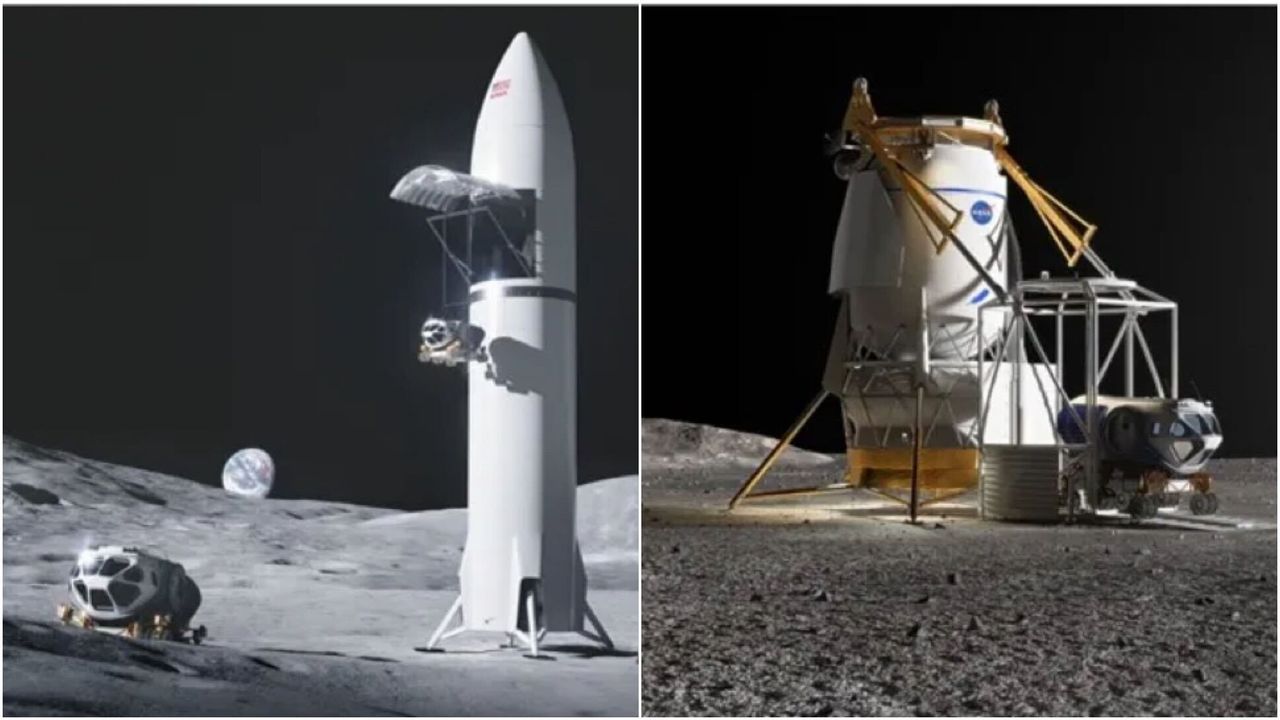
NASA has consistently targeted the Moon's south pole for its initial crewed Artemis landings. However, Victor Glover, a pilot on the upcoming Artemis II mission, has suggested an alternative landing location. Glover believes that the lunar equator might offer a more accessible and secure landing zone for astronauts. This perspective challenges the agency's long-standing focus on the polar region. The south pole has been a primary interest due to the potential presence of water ice, crucial for future lunar bases. Nevertheless, Glover's viewpoint highlights potential logistical and safety considerations that could influence mission planning. The decision on the Artemis IV landing site will be critical for the success and safety of future lunar exploration endeavors.
NASA's strategic selection of landing sites for the Artemis program reflects a complex interplay between scientific objectives and operational realities. While the south pole's potential resources, such as water ice, align with long-term sustainability goals, the practical challenges of landing and operating in such terrain warrant careful consideration. Glover's suggestion of the lunar equator introduces a pragmatic counterpoint, emphasizing accessibility and safety as paramount for initial crewed missions. This divergence in perspective underscores the inherent trade-offs in space exploration: balancing ambitious scientific discovery with the imperative of astronaut well-being and mission success. Future decisions will likely involve a thorough risk-benefit analysis, weighing the immediate advantages of a less challenging landing environment against the strategic importance of polar resource utilization.
AI-generated to prompt reflection — not editorial opinion, not advice, not a statement of fact. How this works.