Article 3 of the Greek Constitution: Anachronistic Church Regulations
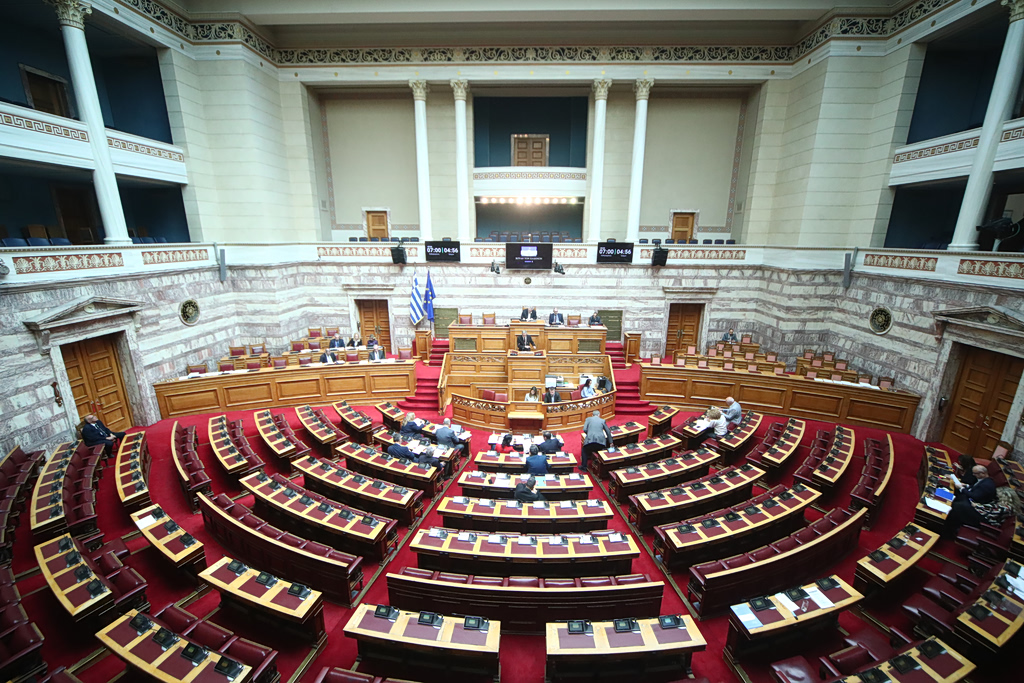
Article 3 of the Greek Constitution addresses dogmatic and administrative matters concerning the Church of Greece. Its core provision states that the Greek Orthodox Church is "dogmatically inseparably united" with the Ecumenical Patriarchate. Furthermore, it mandates adherence to sacred apostolic and synodal canons, as well as holy traditions. The article also outlines that the Church is administered by its active members, though the specific details of this administration are not fully elaborated in the provided text. The article's provisions reflect a long-standing relationship between the state and the Orthodox Church in Greece. Its phrasing and content are considered by some to be outdated in the contemporary context. The article's focus on specific dogmatic and administrative ties to the Ecumenical Patriarchate highlights a unique aspect of the Greek Church's structure. The adherence to ancient canons and traditions underscores the historical continuity the Church aims to maintain. The administrative framework described, even in its partial presentation, points to an internal governance structure.
Article 3 of the Greek Constitution, by mandating specific dogmatic and administrative ties between the Church of Greece and the Ecumenical Patriarchate, reflects a historical model of church-state relations. In an era increasingly defined by secularism and diverse religious landscapes, such constitutionally enshrined links may present challenges to religious freedom and the principle of state neutrality. The emphasis on adherence to ancient canons and traditions, while preserving historical continuity, could also be viewed through the lens of evolving societal norms and the potential for institutional inertia. Future governance models might explore a more flexible separation that respects religious autonomy without entrenching specific hierarchical structures within the state's foundational law, thereby better accommodating a pluralistic society and the dynamic nature of religious practice in the 21st century.
AI-generated to prompt reflection — not editorial opinion, not advice, not a statement of fact. How this works.