Artificial Metalloenzymes Show Promise in Complex Biological Settings
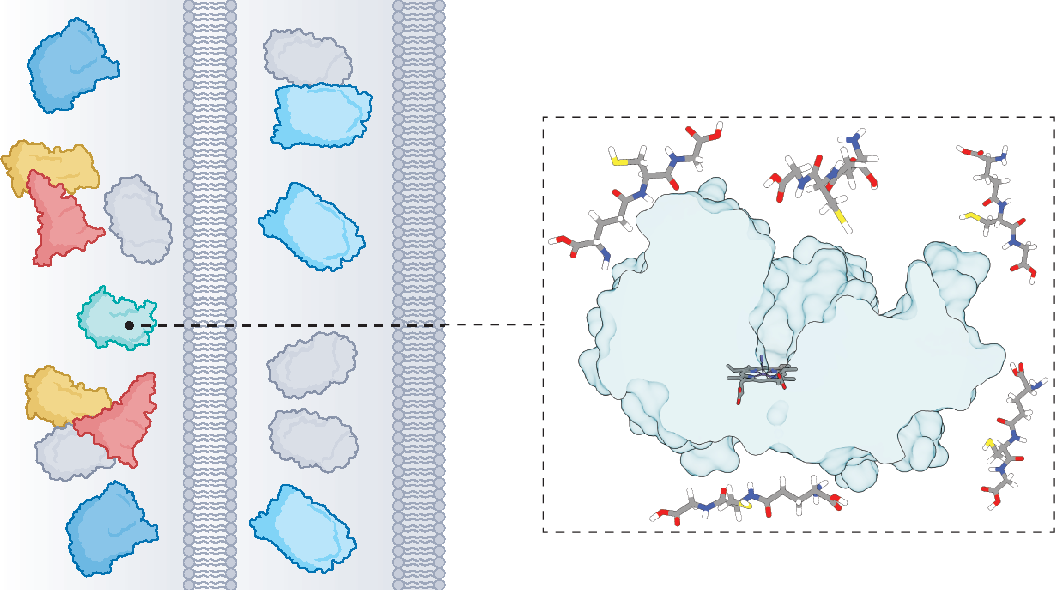
Researchers have developed artificial metalloenzymes capable of functioning effectively within intricate biological environments. These engineered molecules combine a protein scaffold with a metal cofactor, mimicking the sophisticated catalytic activity of natural enzymes. The study demonstrates that these artificial enzymes can perform specific chemical reactions even when surrounded by the complex mixture of molecules found inside living cells. This advancement is significant because many biological processes rely on highly specific enzymatic reactions, and creating artificial versions that work in such challenging conditions has been a long-standing goal. The research opens up new possibilities for using these artificial metalloenzymes in various applications. These could include targeted drug delivery, where the enzyme could activate a therapeutic agent at a specific site in the body. Another potential application lies in biosensing, enabling the detection of specific molecules or disease markers with high sensitivity. Furthermore, they could be utilized in biocatalysis for industrial processes, offering more sustainable and efficient ways to produce chemicals. The ability of these artificial metalloenzymes to maintain their structure and function amidst cellular complexity is a key breakthrough.
The development of artificial metalloenzymes that operate within complex biological environments represents a significant step in synthetic biology and bioengineering. This innovation addresses the challenge of translating highly controlled laboratory reactions into the dynamic and crowded conditions of living systems. The potential applications, ranging from advanced therapeutics to industrial biocatalysis, highlight the growing convergence of chemistry, biology, and engineering. Future research will likely focus on enhancing the stability, specificity, and scalability of these artificial enzymes, as well as navigating the regulatory pathways for their eventual deployment in medical or industrial settings. The long-term impact could reshape approaches to disease treatment and sustainable manufacturing by providing precise molecular tools that can operate within biological frameworks.
AI-generated to prompt reflection — not editorial opinion, not advice, not a statement of fact. How this works.