Artificial Placenta Prototype Keeps Premature Lamb Fetus Alive for 21 Days
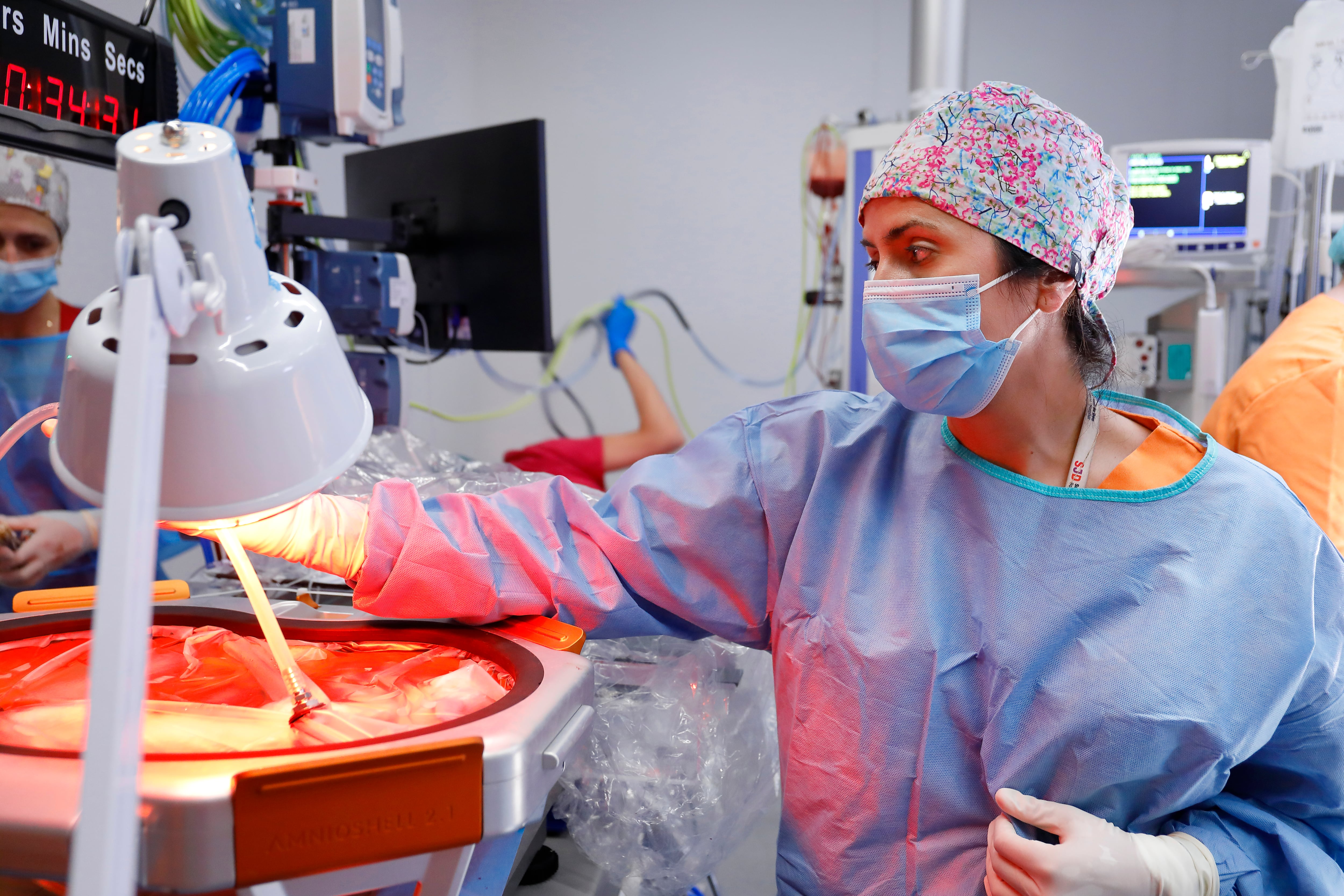
Researchers from Barcelona's Clínic and Sant Joan de Déu hospitals have developed an artificial placenta prototype designed to support extremely premature infants. This innovative device successfully sustained a lamb fetus for 21 days, mimicking the uterine environment. The goal is to provide a life-sustaining solution for babies born before 26 weeks of gestation. This technology aims to improve survival rates and reduce long-term complications associated with extreme prematurity. The system recreates the conditions of the amniotic sac, offering a potential breakthrough in neonatal care. Further development and testing are anticipated to refine the device for human application. The project represents a significant advancement in medical technology for high-risk pregnancies. This artificial womb could offer a critical bridge for vulnerable newborns.
This development in artificial placenta technology addresses a critical challenge in neonatal intensive care: supporting extremely premature infants. By replicating the uterine environment, the system aims to mitigate the physiological stresses and developmental deficits that premature babies often face outside the womb. The success with a lamb fetus suggests a potential pathway for improving outcomes for human infants born before viability, offering a period for further development and maturation. The ethical and regulatory considerations for such a technology will be paramount, alongside the technical challenges of scaling and ensuring long-term safety and efficacy. Future iterations will need to demonstrate not only survival but also healthy development comparable to in-utero growth, navigating the complex biological interface between artificial support and fetal physiology.
AI-generated to prompt reflection — not editorial opinion, not advice, not a statement of fact. How this works.