Artisan Films Student Allegedly Poisoning Her Water Bottle with Mercury
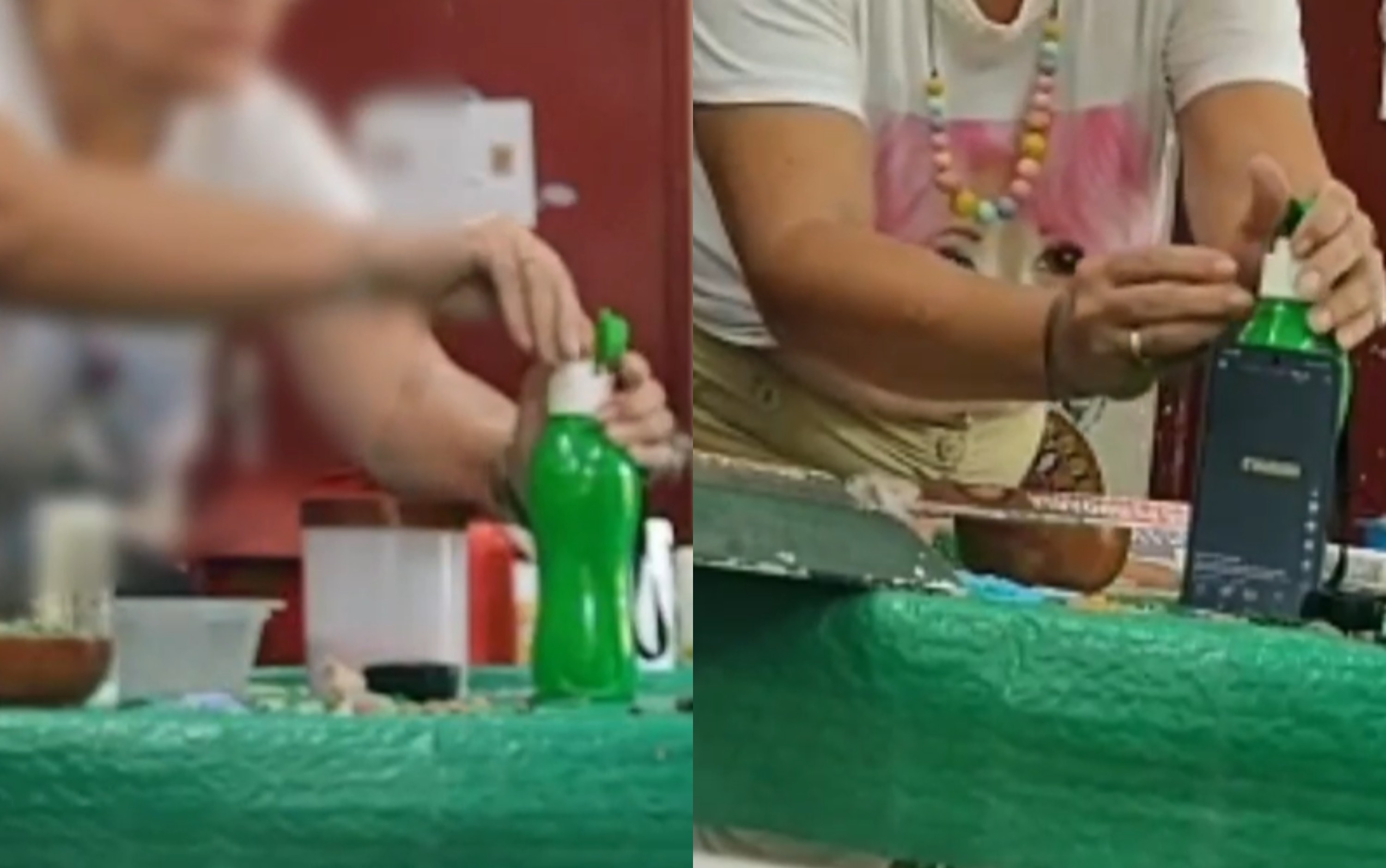
An artisan in Recife, Brazil, has accused a student of poisoning her water bottle with mercury over several months. Denny Cardoso, who worked at the 'Arte na Medicina' social project at Hospital Universitário Oswaldo Cruz, began experiencing poisoning symptoms in the latter half of 2024. She claims Maria Aparecida Rodrigues de Araújo, who attended the project as a parent accompanying her son, repeatedly added mercury to her water bottle. Cardoso became suspicious after noticing the woman near her bottle and experiencing strange sensations, including feeling a 'ball' of mercury in her throat. She set up a hidden camera and captured footage of Araújo pouring a substance into the bottle on two separate occasions in June 2025. The artisan subsequently reported the incident to the police. Forensic reports confirmed the presence of mercury in both the water and Cardoso's bloodstream, with toxicological analysis indicating an ingestion period of eight months to a year. Cardoso is reportedly suffering from abdominal pain, neuropathy, spinal cord compression, reduced motor function, and impaired coordination, with claims that the mercury has affected her brain. She is awaiting further medical evaluations, including a neurosurgery consultation, to assess the long-term neurological damage. The case has been under investigation by the Civil Police for over a year, but the inquiry remains ongoing, with the specific charges against Araújo not yet disclosed.
This case highlights the severe consequences of interpersonal conflict manifesting as deliberate poisoning, a crime with potentially devastating health outcomes. The victim's proactive use of video evidence was crucial in substantiating her claims and initiating a police investigation. The prolonged duration of the alleged poisoning and the significant health sequelae underscore the critical need for efficient and thorough investigative processes in cases involving toxic substances. Future considerations for similar environments could involve enhanced security measures or protocols to prevent unauthorized access to personal belongings and consumables, particularly in shared or public spaces.
AI-generated to prompt reflection — not editorial opinion, not advice, not a statement of fact. How this works.