Artisan Films Student Allegedly Poisoning Her Water Bottle with Mercury
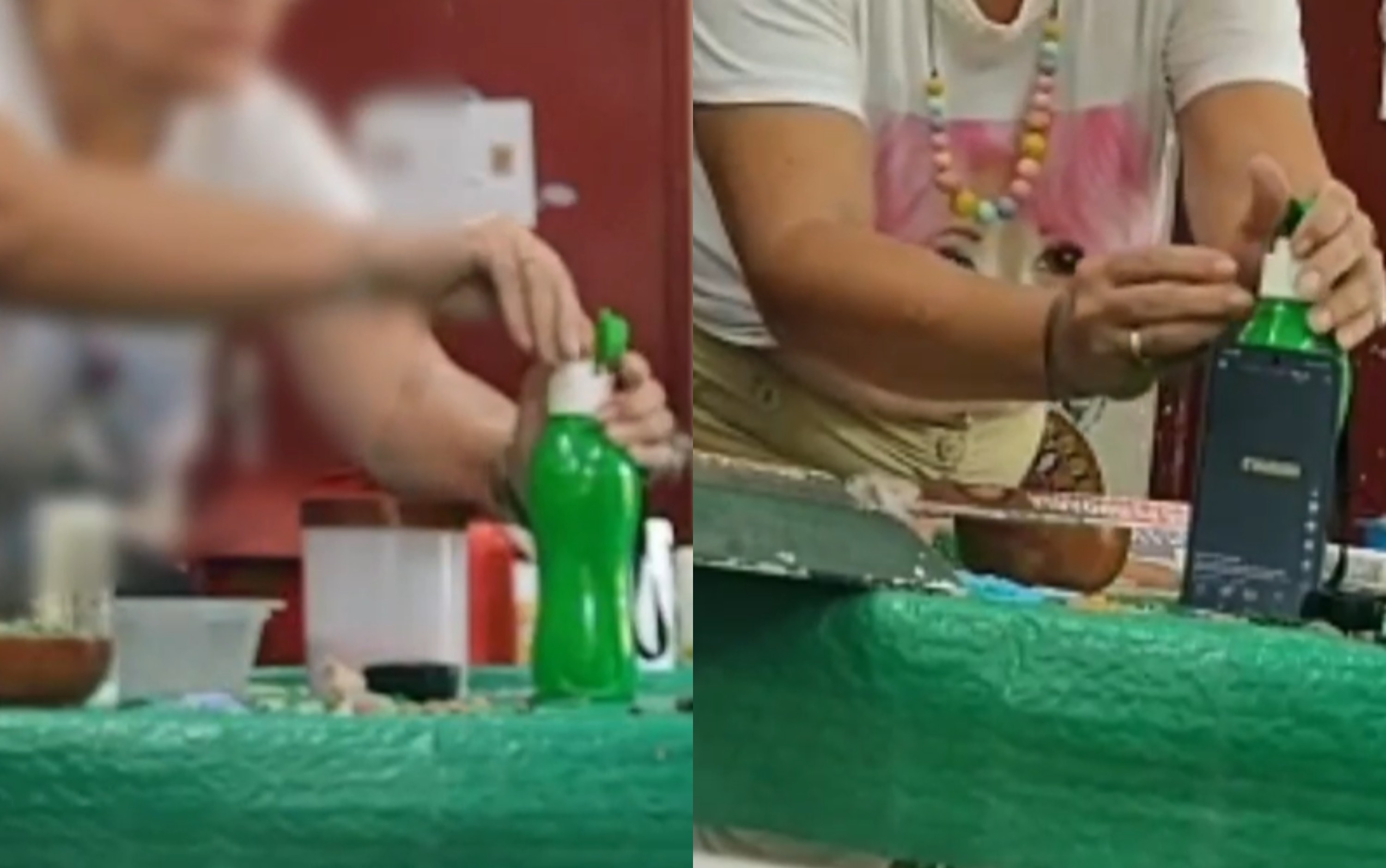
An artisan in Recife, Brazil, has reported being poisoned with mercury over several months, leading to severe health issues including abdominal pain, motor problems, hair loss, and dizziness. Denny Cardoso, the victim, initially mistook her symptoms for fibromyalgia but realized they were more debilitating. She was eventually diagnosed with mercury poisoning after medical tests confirmed a concentration of 21 micrograms of mercury per milliliter of blood, significantly exceeding safe levels. Cardoso suspects one of her students, Maria Aparecida Rodrigues de Araújo, who was present at a social project where Cardoso worked. Cardoso managed to film Araújo allegedly placing a substance into her water bottle. The case is under investigation by the Civil Police, with an inquiry opened over a year ago. Cardoso has faced delays in receiving medical treatment for the neurological damage caused by the mercury, including awaiting a neurosurgery consultation. Following media coverage, the State Health Secretariat scheduled her appointment. Experts warn that mercury poisoning severely impacts the central nervous system, causing irreversible damage to coordination, cognition, and potentially leading to depression and insomnia. It also poses risks to cardiac health and is particularly dangerous for pregnant women and fetuses. Cardoso reported finding 'beads' in her water and later discovered the alleged poisoning after filming Araújo on two occasions. When confronted by police, Araújo denied the accusations, though residue was reportedly found in her bag.
This case highlights the critical need for robust safety protocols in community and educational settings, especially when dealing with potentially vulnerable individuals. The alleged poisoning, if proven, points to a severe breach of trust and safety, underscoring the importance of vigilant observation and immediate reporting of suspicious activities. The extended timeline for investigation and medical recourse suggests potential systemic challenges within law enforcement and public health systems in addressing such complex cases efficiently. Moving forward, it will be crucial to examine the efficacy of current regulatory frameworks and support mechanisms designed to protect individuals from harm and ensure timely justice and care, particularly in cases involving toxic substances and potential long-term health consequences.
AI-generated to prompt reflection — not editorial opinion, not advice, not a statement of fact. How this works.