Artisan Films Student Allegedly Poisoning Her with Mercury in Brazil
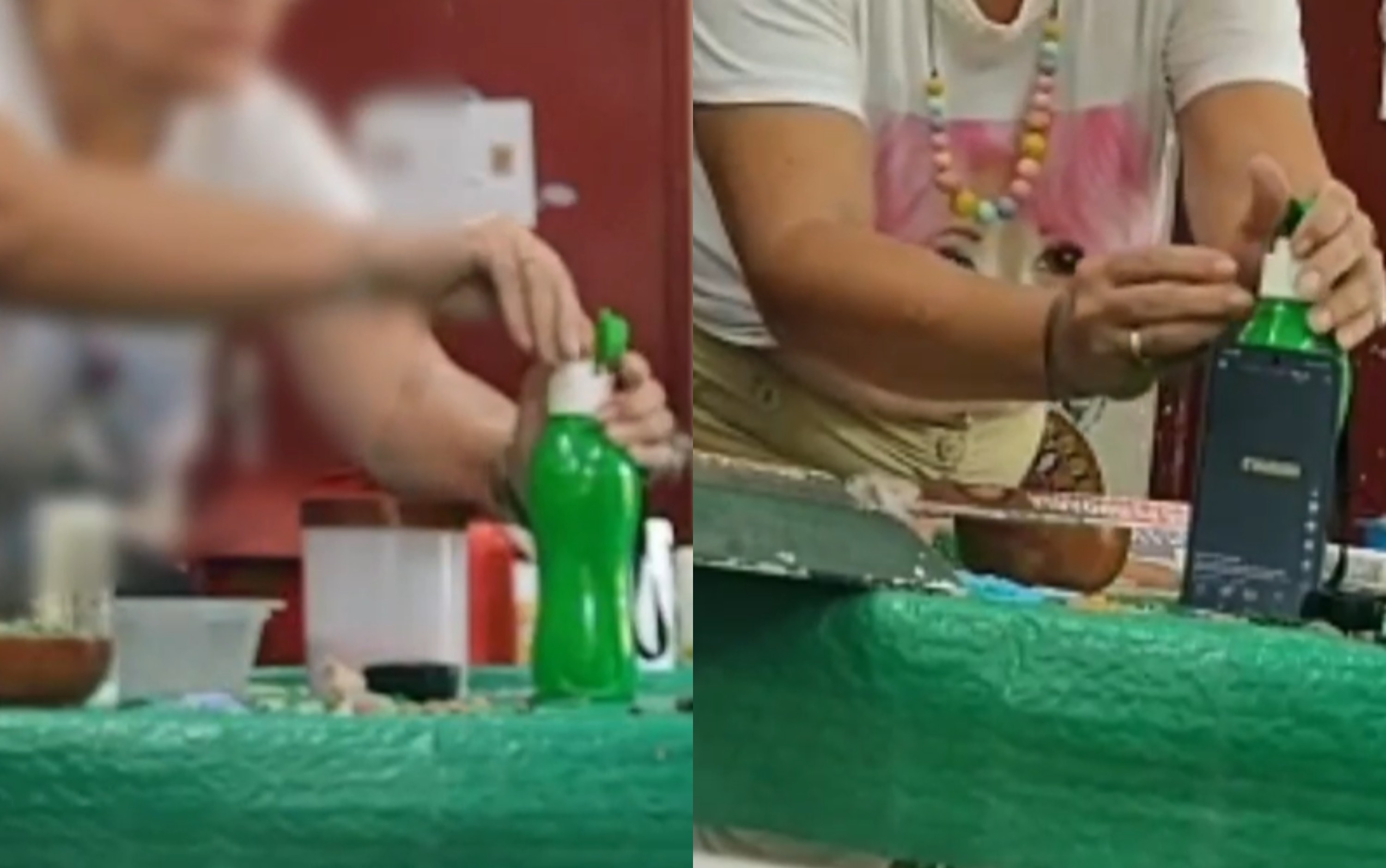
An artisan in Recife, Brazil, has accused one of her students of slowly poisoning her with mercury over several months. The artisan, who teaches at a social project called Arte na Medicina at the Oswaldo Cruz University Hospital, began experiencing severe symptoms in late 2024, including abdominal pain, stiff muscles, and difficulty walking and urinating. Initially suspecting fibromyalgia, her condition worsened, leading her to investigate the cause. She became suspicious after noticing a student, identified as Maria Aparecida Rodrigues de Araújo, acting strangely around her belongings. The artisan discovered a "small ball" in her water bottle, which she later identified as mercury. She began secretly filming her water bottle, capturing footage of the student allegedly pouring a substance into it on two separate occasions. Following these discoveries, the artisan reported the incident to the police and underwent medical examinations. A toxicology report revealed a significant concentration of mercury in her blood, with experts estimating the ingestion occurred over eight months to a year. The student, who had been attending the classes for about three years while accompanying her son's treatment, reportedly denied the accusations, though residue was found in her bag. The artisan continues to suffer from neurological and physical complications and is pursuing legal action to ensure urgent medical care, as she faces delays in accessing a neurosurgeon through the public health system. The investigation into the student is ongoing, with the specific charges yet to be disclosed.
This case highlights the critical need for robust safety protocols and immediate reporting mechanisms within community and healthcare settings. The artisan's proactive use of video evidence was instrumental in substantiating her claims, underscoring the potential of personal technology in addressing harm. The prolonged period of alleged poisoning and the severity of the resulting health issues raise questions about the effectiveness of initial symptom assessment and the accessibility of timely specialist care within Brazil's public health system. Future considerations should include enhanced awareness training for educators and volunteers regarding potential workplace hazards and the establishment of clear, accessible channels for reporting suspicious incidents without fear of reprisal. The legal and medical systems' response times will be crucial in determining accountability and ensuring justice for the victim.
AI-generated to prompt reflection — not editorial opinion, not advice, not a statement of fact. How this works.