Artisanal Chocolate Maker Crafts Healthy Treats Over 48 Hours
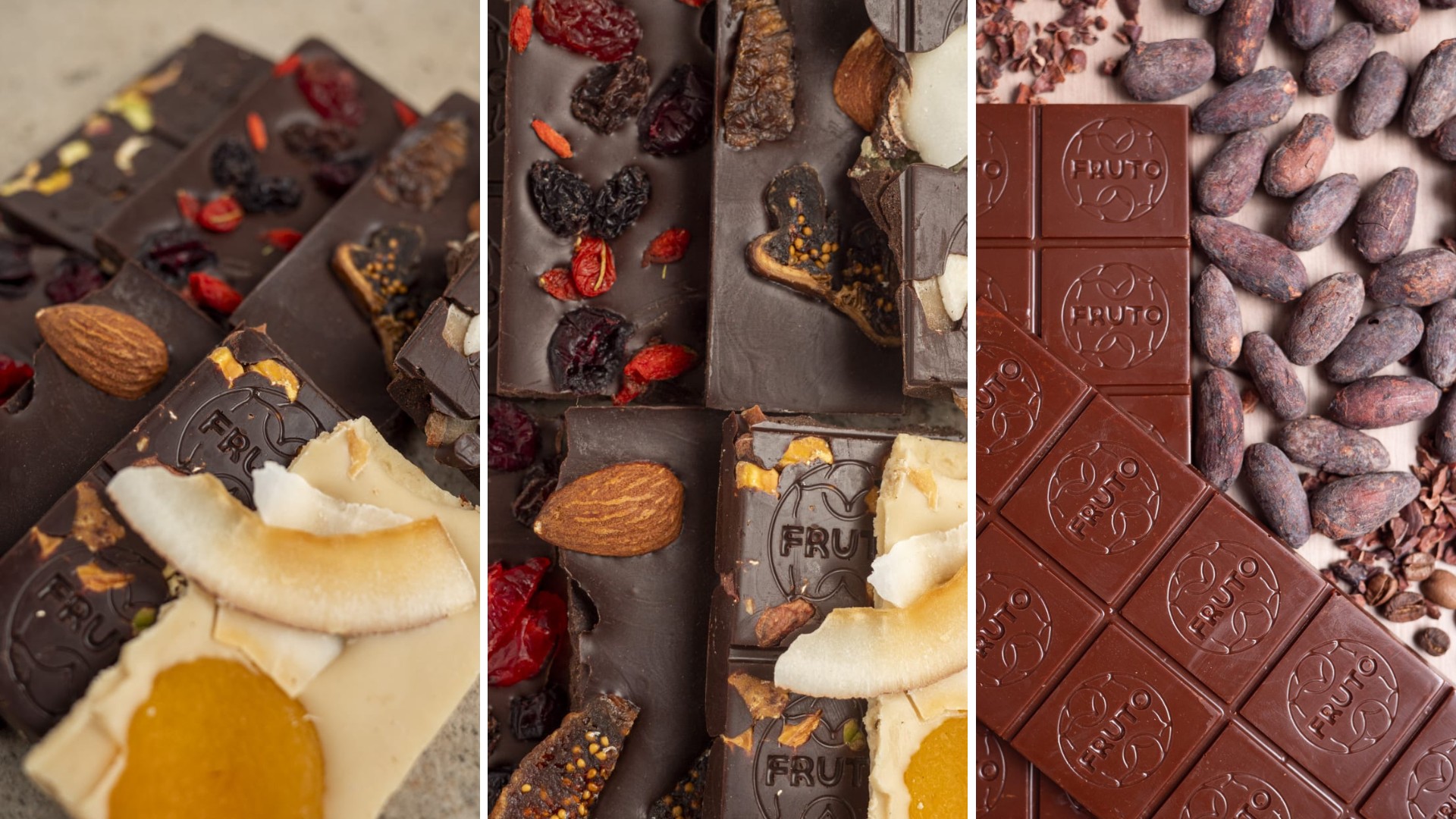
Cesar Ferreira, a 50-year-old entrepreneur, has transformed his passion for chocolate into a life project, establishing an artisanal factory in São José do Rio Preto, Brazil. Alongside his wife, he specializes in producing healthier chocolates, with each batch requiring up to 48 hours to complete. This meticulous process, which began eight years ago, involves roasting cocoa beans, refining, and conching the mixture. This extended production time is crucial for achieving a creamy texture, eliminating undesirable flavors like acidity, and ensuring the chocolate's quality. Following this, a tempering process controls the temperature for optimal shine, texture, and correct crystallization before molding and packaging. The factory produces approximately 300 kilograms of chocolate monthly, offering animal-free and zero-sugar options that are shipped nationwide. Ferreira noted that the market previously lacked sugar-free and dairy-free chocolate brands, inspiring his venture. Initially producing 25 kilograms per month, the business has seen significant growth. The primary ingredients are sourced from Bahia and Pará, major Brazilian cocoa-producing states, though he has also experimented with local São Paulo cocoa. He emphasizes that chocolate is viewed not just as a treat but as a food that provides nutritional benefits, satisfaction, and pleasure, appealing to a broad audience. Zero-sugar chocolates are currently their best-sellers, reflecting a growing consumer trend towards healthier eating, although sweeter versions remain popular. The company's objective from the outset was national distribution, and its products are now available online and in person, with São Paulo being the largest customer base.
This artisanal chocolate production highlights a growing market segment focused on health-conscious and premium food products. The extended, labor-intensive process for creating high-quality chocolate, while appealing to discerning consumers, presents scalability challenges and higher production costs compared to mass-produced alternatives. The business model's success hinges on effectively communicating the value proposition of artisanal quality and health benefits to justify premium pricing. Future market dynamics may see increased competition from both established brands introducing specialized lines and new entrants leveraging direct-to-consumer models. The long-term sustainability will depend on managing supply chain complexities, maintaining consistent quality, and adapting to evolving consumer preferences in the health and wellness space.
AI-generated to prompt reflection — not editorial opinion, not advice, not a statement of fact. How this works.