Artist Fuses Arab Cuisine and Northeastern Culture in São Paulo Restaurant
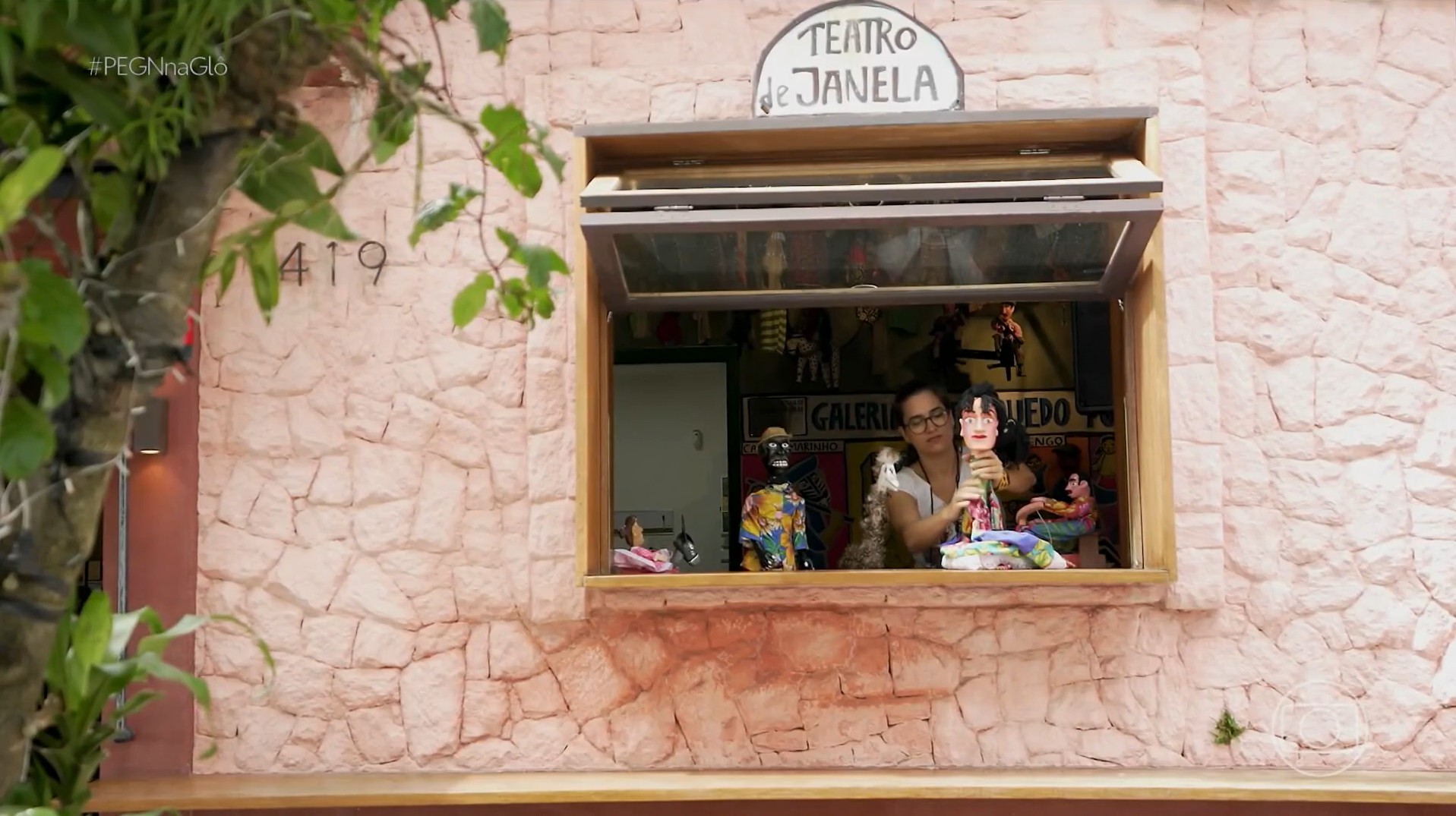
Artist and entrepreneur Natália Siufi has successfully blended Arab cuisine with Northeastern Brazilian popular culture and artistic experiences in her São Paulo restaurant, Mamulengo. Initially inspired by the Northeastern mamulengo puppet tradition, the restaurant now generates approximately R$ 60,000 per month. Siufi's journey into combining food and art began when she noticed audience hunger after a children's play, leading her to offer free food with cultural activities. This insight evolved into a business venture, starting with selling esfirras at a theater event in 2014, which sold out rapidly.
Following this success, Siufi transitioned from cultural projects to gastronomy, initially selling esfirras from a street cart before investing around R$ 150,000 to open the restaurant. While initially co-owned by five partners, Siufi now manages the business independently, maintaining an artisanal approach to the kitchen with support from culinary professionals. The restaurant's Arab culinary offerings reflect her family heritage, while its decor, puppets, and cultural programming showcase her extensive research into Northeastern folk culture and mamulengo theater. Siufi views both Arab cuisine and popular toys as forms of cultural resistance, noting similarities between Arab and Northeastern cultures in sharing food, resilience, and family warmth.
Beyond its cultural fusion, the restaurant implements a well-being-focused management model, including a 4x3 work schedule for employees, allowing for profitability without exploitation. Early marketing involved offering free esfirras for three months, which cultivated loyal customers and organic promotion. The venue also hosts workshops, cultural performances, and displays one of São Paulo state's largest collections of mamulengos, becoming a hub for artists, families, and cultural enthusiasts. Siufi emphasizes her satisfaction with maintaining a small, meaningful business rather than pursuing large-scale expansion.
This venture highlights the potent synergy between cultural heritage, artistic expression, and culinary entrepreneurship. The founder's ability to identify and address a fundamental human need—sustenance—alongside cultural engagement demonstrates a sophisticated understanding of audience interaction and community building. By integrating elements of Arab cuisine, rooted in her family background, with the vibrant traditions of Northeastern Brazil, the restaurant creates a unique value proposition that resonates with a specific market segment. The business model's emphasis on employee well-being and artisanal quality, while achieving significant revenue, suggests that ethical and community-focused operations can be economically viable. This approach challenges conventional business paradigms that often prioritize rapid scaling and profit maximization over sustainable practices and cultural preservation, offering a model for future ventures seeking to balance commerce with cultural integrity and social responsibility.
AI-generated to prompt reflection — not editorial opinion, not advice, not a statement of fact. How this works.