Artist Sues AI Meme Generator Over Use of Personal Comic in Ads
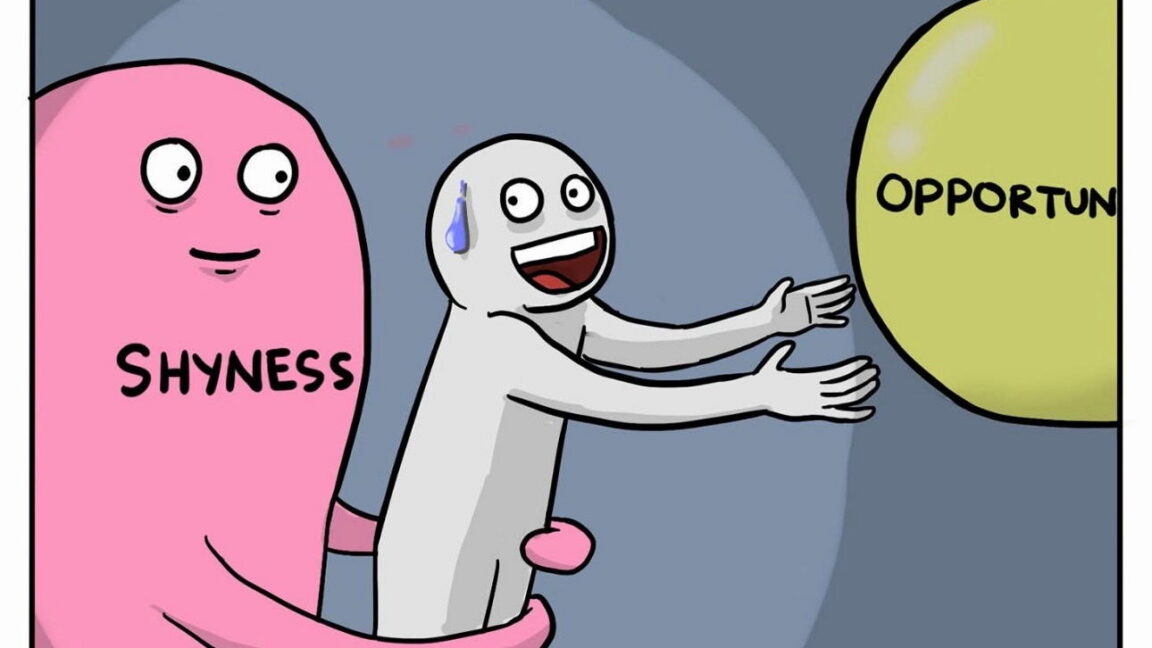
An artist has filed a lawsuit against an AI meme generator, alleging that the company used a deeply personal comic created by the artist as a template for advertisements. The artist claims their work was repurposed without permission. The meme generator, which creates memes using artificial intelligence, may have violated the artist's rights by incorporating their comic into its output. Experts suggest that the company might have made a mistake by including user-generated or copyrighted templates in its final products. This incident raises questions about the intellectual property rights of artists when their work is utilized by AI-powered platforms. The lawsuit highlights the potential for AI tools to infringe on copyright if not properly managed. The outcome of this case could set a precedent for how AI companies handle user-created content and commercial use of artistic works.
AI meme generators operate within a complex landscape of intellectual property and user-generated content. The core issue here revolves around the potential for AI systems, trained on vast datasets that may include copyrighted material, to inadvertently reproduce or adapt protected works. This case prompts consideration of the governance frameworks necessary for AI platforms to ensure they respect creators' rights. The incentive for such platforms is often rapid growth and user engagement, which can sometimes lead to oversight in content moderation and licensing. Looking ahead, the development of clearer legal and ethical guidelines for AI-generated content, particularly concerning commercial applications, will be crucial for fostering innovation while safeguarding artistic integrity.
AI-generated to prompt reflection — not editorial opinion, not advice, not a statement of fact. How this works.