Artworks from Mangabeiras Palace Found at Liberdade Palace Amidst Investigation
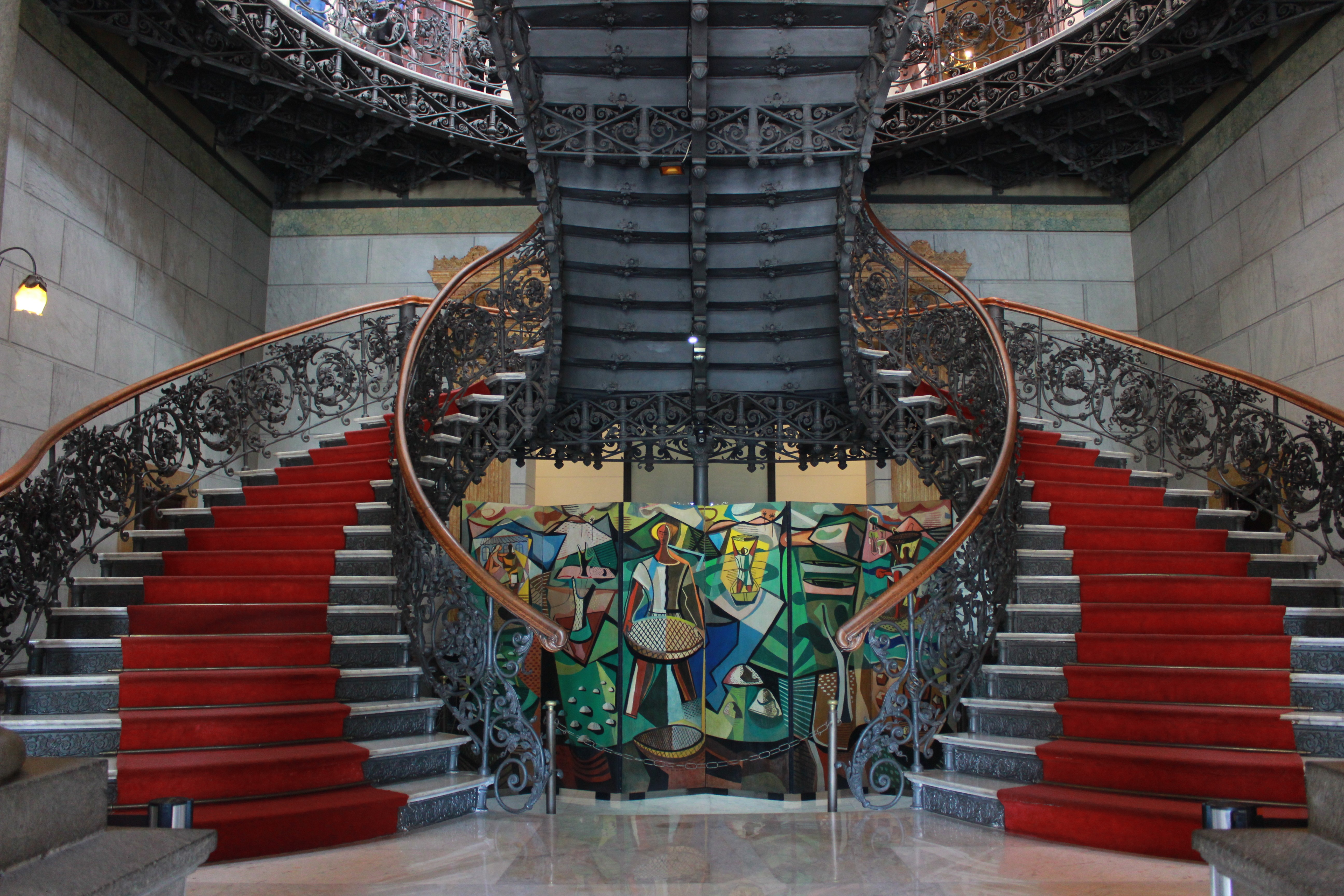
A significant portion of art pieces formerly housed at the Palácio das Mangabeiras in Belo Horizonte, Brazil, have been identified at the Palácio da Liberdade, the current seat of government. This discovery comes amid an investigation by the Minas Gerais Legislative Assembly (ALMG) into allegations that some artworks were removed from the Palácio das Mangabeiras without transparency and potentially diverted. The state government, represented by the Companhia de Desenvolvimento de Minas Gerais (Codemge), stated that 19 paintings from the Mangabeiras' collection of over 3,900 objects are now at the Palácio da Liberdade. The State Institute of Historical and Artistic Heritage of Minas Gerais (Iepha-MG) confirmed that these 19 works were indeed part of the Mangabeiras' collection.
Journalists from g1 identified six specific paintings currently displayed at the Palácio da Liberdade by comparing current photographs with images from 2012. These include Emiliano Di Cavalcanti's "Cenas de garimpo" (1952), Emeric Marcier's "Santa Ceia" (1959), Regina Vateri's "Cabeça de Papel" (1965), Inimá de Paula's "Natureza Morta" (1963), Lacerda's "Bule e Garrafas" (1965), and Massimo Campigli's "Diabolo" (1951). Additionally, other decorative items like a mirror, vases, lamps, and furniture pieces previously at Mangabeiras were also found at Liberdade. The government has asserted that all relocated assets are properly registered and accounted for, refuting claims of impropriety.
The relocation of public art assets from one official residence to another, particularly when coinciding with legislative scrutiny, raises questions about governance and transparency. While the government asserts proper registration and accountability, the investigation highlights a potential systemic vulnerability in the management of cultural heritage. The process of identifying these artworks relied on comparing historical photographs with current locations, underscoring the importance of maintaining comprehensive and accessible digital inventories for public collections. Future policy should focus on establishing robust, real-time tracking mechanisms for all state-owned cultural property to preemptively address concerns regarding provenance and disposition, ensuring public trust and safeguarding historical assets against potential mismanagement or loss.
AI-generated to prompt reflection — not editorial opinion, not advice, not a statement of fact. How this works.