Arun III Hydroelectric Project: Dam Construction 80% Complete, Transmission Line Faces Issues
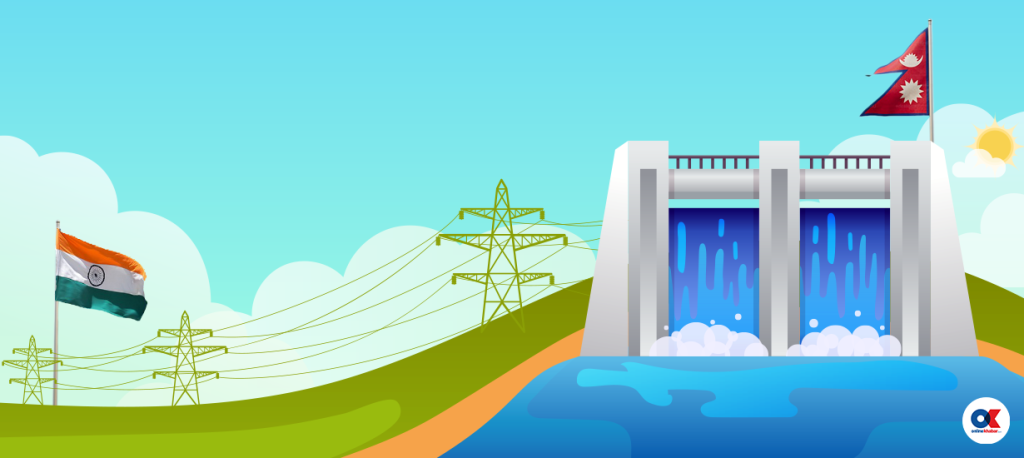
Construction of the 900-megawatt Arun III hydroelectric project in Sankhuwasabha, Nepal, has seen over 80% of its dam completed. While the overall physical progress of the project is satisfactory, significant challenges are hindering the construction of the transmission line intended to connect the generated electricity to the national grid. These issues are reportedly stemming from various legal and local-level problems. The project, a significant undertaking for Nepal's energy sector, aims to contribute substantially to the nation's power supply upon its completion. However, the delays in the transmission line development pose a risk to the project's timeline and its ability to deliver power as planned. Officials from the Ministry of Energy, Water Resources and Irrigation have acknowledged the progress on the dam but are actively seeking solutions for the transmission line bottlenecks. The successful resolution of these legal and local disputes is crucial for the project's overall success and for realizing its potential benefits for the country's development.
The Arun III hydroelectric project's progress highlights a common dichotomy in large-scale infrastructure development: the physical construction of core components like dams can advance significantly, while the essential supporting infrastructure, such as transmission lines, faces complex, non-technical hurdles. This situation underscores the critical need for integrated planning that addresses legal, land acquisition, and community relations issues concurrently with engineering milestones. The delays in transmission line construction, attributed to legal and local problems, suggest potential shortcomings in stakeholder engagement or regulatory frameworks. Moving forward, such projects will require more robust, proactive strategies to anticipate and mitigate these socio-legal challenges, ensuring that energy generation capacity is not bottlenecked by the inability to deliver power to consumers. This also points to the systemic challenge of balancing national development goals with local community rights and environmental considerations within the evolving landscape of energy infrastructure.
AI-generated to prompt reflection — not editorial opinion, not advice, not a statement of fact. How this works.