arXiv Papers May Contain Unintended Information Disclosures
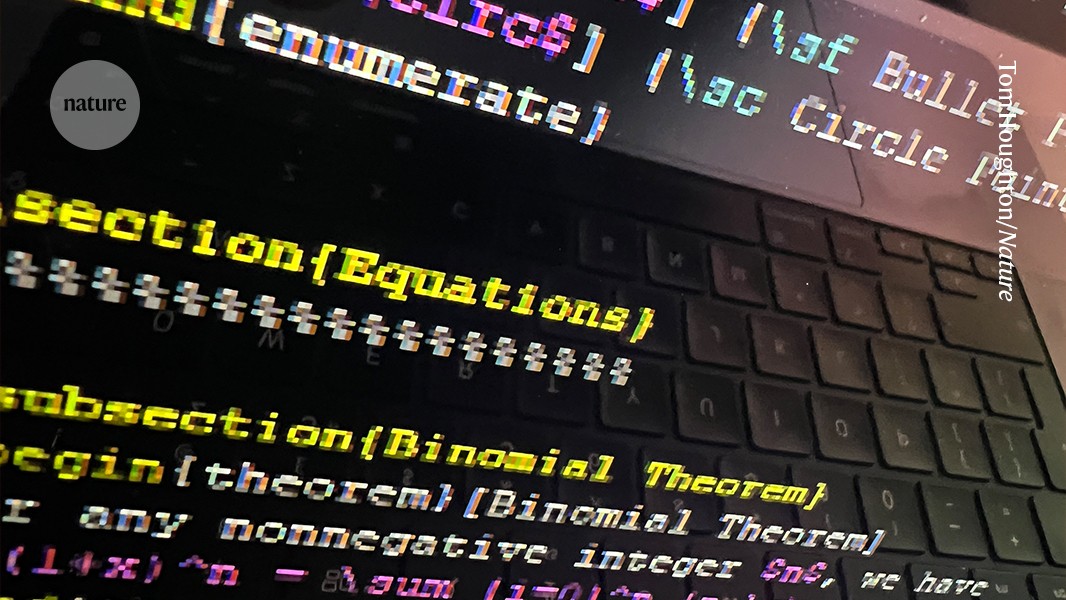
A recent analysis has revealed that a significant portion of papers uploaded to arXiv, a popular preprint server for scientific research, may contain information that was not intended for public sharing. The study suggests that this could include sensitive data, proprietary information, or personal details that were inadvertently included during the submission process. arXiv is widely used by researchers across various fields, including physics, mathematics, computer science, and engineering, to disseminate their findings rapidly. The platform allows authors to share their work before or during the peer-review process, accelerating scientific communication. However, this open-access model also presents challenges in ensuring the security and privacy of the content being uploaded. The implications of these unintended disclosures are still being assessed, but they could potentially impact intellectual property rights, research integrity, and the privacy of individuals involved. Researchers and institutions are being urged to review their submission practices and implement stricter checks to prevent the accidental release of sensitive information. The findings highlight a critical need for enhanced data handling protocols within the scientific community, especially as research becomes increasingly data-intensive and interconnected.
The widespread sharing of research preprints on platforms like arXiv accelerates scientific progress but introduces inherent risks of unintended information disclosure. This situation underscores a systemic tension between the desire for open access and the necessity of data security and intellectual property protection. As research outputs become more complex and data-driven, the onus is on both individual researchers and institutional oversight bodies to develop robust protocols for vetting content before public dissemination. Future advancements in AI-assisted content analysis could potentially help identify and flag sensitive information, but the ultimate responsibility will likely remain with human judgment and adherence to evolving best practices in data stewardship within the academic ecosystem.
AI-generated to prompt reflection — not editorial opinion, not advice, not a statement of fact. How this works.