ASEAN Calls for Keeping Strait of Hormuz Open Amid Rising Tensions
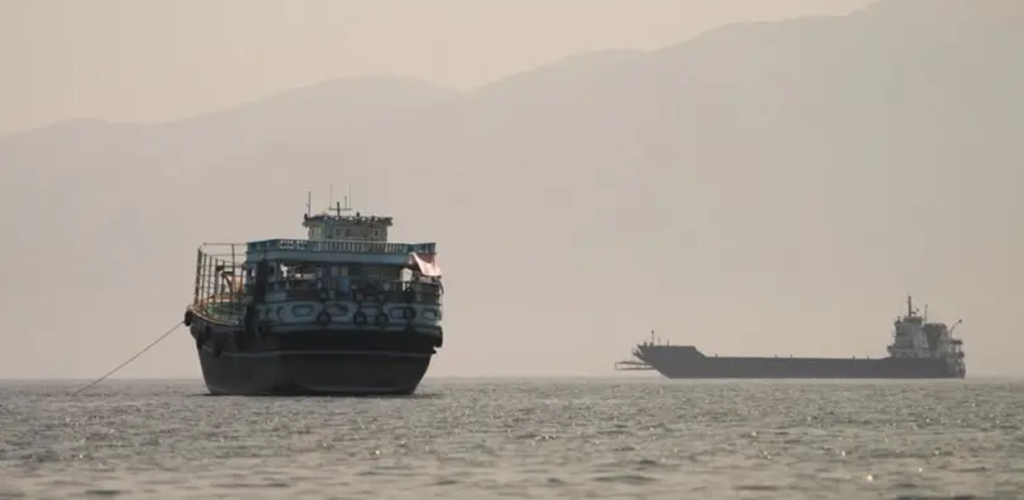
The Association of Southeast Asian Nations (ASEAN) is set to call for ensuring unimpeded passage and freedom of navigation in international waterways. This call comes in response to the increasing risks to global energy supplies and maritime trade posed by the escalating tensions between the United States and Iran. The Strait of Hormuz, a crucial chokepoint for global oil transport, has been specifically highlighted as needing to remain open. This emphasis was made in a draft joint statement following a meeting of foreign ministers in Manila. The ongoing geopolitical situation has created significant concerns about the stability of energy markets and the security of international shipping routes. ASEAN's stance underscores the importance of maintaining open sea lanes for regional and global economic stability. The organization aims to promote dialogue and de-escalation to mitigate potential disruptions. The foreign ministers' meeting in Manila served as a platform to address these pressing international security and economic challenges. The draft statement reflects a consensus among ASEAN members on the need for a peaceful resolution and the preservation of maritime access.
The ASEAN foreign ministers' call to keep the Strait of Hormuz open reflects a pragmatic concern for economic stability, given the region's reliance on global energy flows. The statement highlights the systemic vulnerability of international trade to geopolitical flashpoints. By emphasizing freedom of navigation, ASEAN implicitly acknowledges the interconnectedness of global supply chains and the potential for localized conflicts to have far-reaching economic consequences. This stance encourages de-escalation and adherence to international maritime law, positioning ASEAN as a voice for stability in a volatile geopolitical landscape. The focus on maintaining open sea lanes is a critical consideration for the next decade, as energy security and efficient global logistics will be paramount in an increasingly interconnected world.
AI-generated to prompt reflection — not editorial opinion, not advice, not a statement of fact. How this works.