ASEAN Engages Myanmar, Sparking Debate on Legitimacy and Conflict
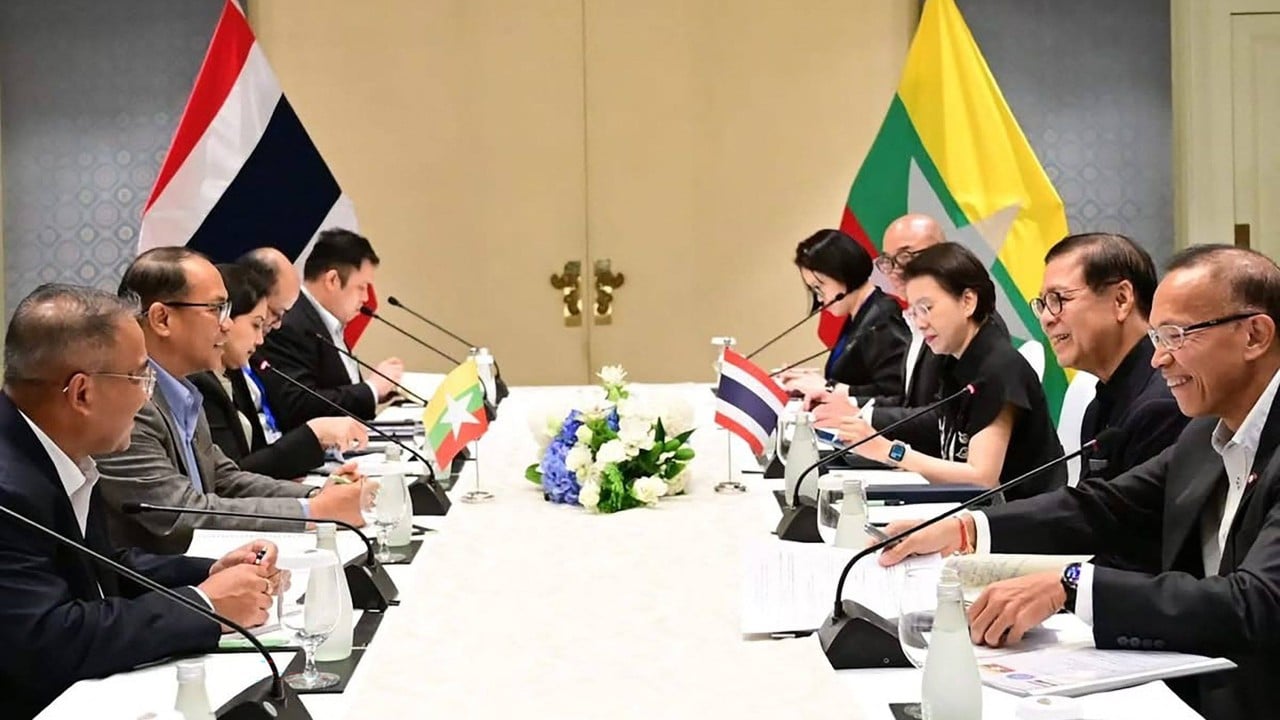
Myanmar is slowly emerging from international isolation as Southeast Asian foreign ministers met with their counterpart from the junta-led nation in Bangkok over the weekend. This re-engagement, however, has drawn criticism from analysts who argue it lends legitimacy to a government actively engaged in conflict with its own citizens. The ongoing civil war, which erupted after the military's 2021 coup, has resulted in thousands of deaths nationwide. The Association of Southeast Asian Nations (ASEAN) had previously taken an unprecedented step following the coup, but the recent meeting signals a shift in approach. Critics contend that this engagement occurs without any concrete commitment from the Myanmar government to cease the violence. The situation highlights a complex diplomatic challenge for ASEAN, balancing the desire for regional stability with concerns over human rights and democratic principles.
The recent ASEAN engagement with Myanmar's junta represents a pragmatic, albeit controversial, diplomatic maneuver. By meeting with the junta, ASEAN states navigate the complex reality of regional stability versus the imperative of upholding democratic norms and human rights. This approach prioritizes dialogue and de-escalation, potentially creating avenues for future influence, rather than complete isolation which has historically proven ineffective in fostering political change. However, the risk of conferring legitimacy without tangible progress on ending the conflict or respecting human rights is a significant concern. Future ASEAN actions will be scrutinized for their ability to leverage this engagement to genuinely improve the situation on the ground, rather than simply normalizing the current regime's actions. The long-term implications for regional security and ASEAN's credibility hinge on whether this diplomatic overture can translate into substantive positive change for the people of Myanmar.
AI-generated to prompt reflection — not editorial opinion, not advice, not a statement of fact. How this works.