ASEAN's South China Sea Code of Conduct Faces Stalls Amidst Lingering Disagreements
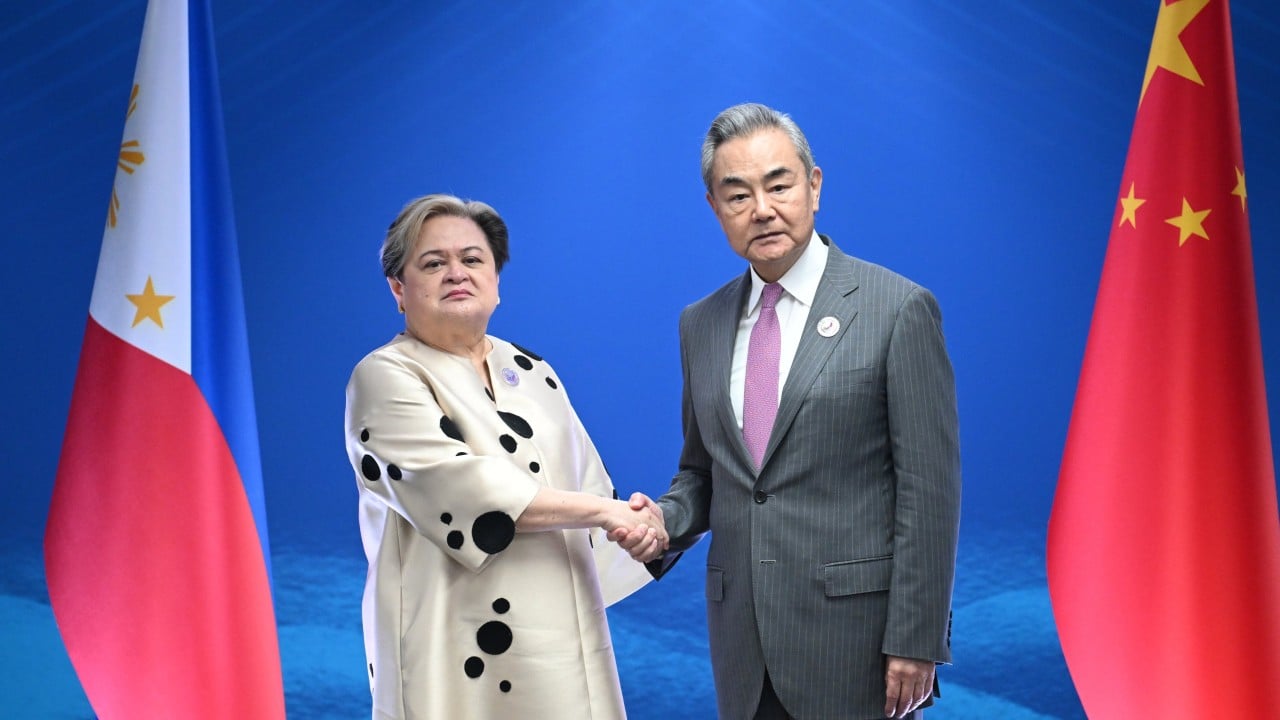
Optimism within the Association of Southeast Asian Nations (ASEAN) regarding the conclusion of a code of conduct (COC) for the South China Sea by year-end is not universally shared. Observers point to significant differences in perspectives between ASEAN member states and China, with particular emphasis on the disagreements between Beijing and the Philippines. Analysts suggest that any consensus reached on the COC is likely to be broad and symbolic in nature. Despite the potential for "negotiation fatigue" to impede progress, maintaining ongoing dialogue is considered crucial. The ongoing discussions aim to establish guidelines for behavior in the disputed waters, but the divergence in viewpoints presents a substantial hurdle to achieving a comprehensive and binding agreement.
The protracted negotiations over the South China Sea code of conduct highlight the inherent challenges in achieving consensus among diverse national interests, particularly when geopolitical power dynamics are at play. The "negotiation fatigue" mentioned suggests that the current diplomatic framework may be reaching its limits in addressing fundamental disagreements on maritime claims and resource access. Future progress will likely depend on innovative approaches that move beyond traditional diplomatic stalemates, potentially involving mechanisms that acknowledge differing interpretations of international law while fostering practical cooperation on non-contentious issues. The long-term stability of the region may hinge on finding a balance between asserting sovereign rights and promoting shared interests in maritime security and economic development.
AI-generated to prompt reflection — not editorial opinion, not advice, not a statement of fact. How this works.