ASEAN Summit Faces Divisions Over Myanmar's Participation Amid Regional Conflicts
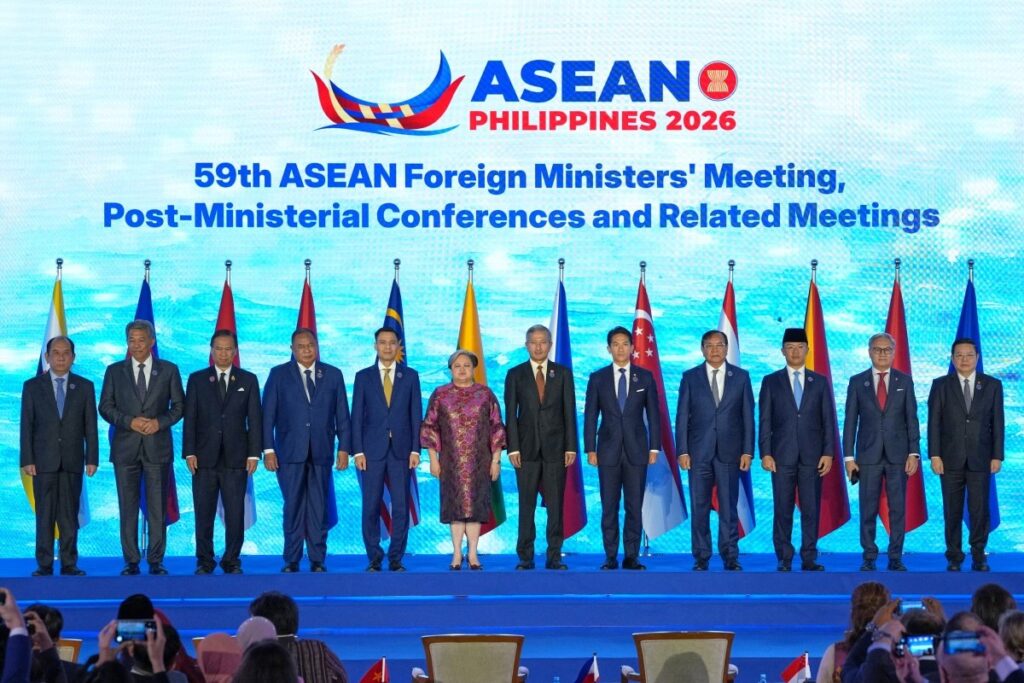
The Association of Southeast Asian Nations (ASEAN) is convening for talks that will be significantly influenced by the ongoing conflict in the Middle East and the unresolved political situation in Myanmar. A key point of contention within the regional bloc is the extent to which Myanmar's military-led government, widely considered a pariah regime, should be allowed to participate in ASEAN meetings. This deep division highlights the challenges ASEAN faces in maintaining unity and addressing internal and external crises. The summit's agenda is expected to grapple with these complex issues, potentially impacting the bloc's diplomatic standing and its ability to foster regional stability. The outcome of these discussions could shape ASEAN's future engagement with Myanmar and its role in broader geopolitical dynamics.
The ASEAN summit's deliberations on Myanmar's participation reflect a fundamental tension between the principle of non-interference in member states' internal affairs and the growing international pressure to address human rights concerns. The bloc's divided stance on engaging with Myanmar's military regime, while simultaneously dealing with external conflicts, underscores the complexities of multilateral diplomacy in a fragmented geopolitical landscape. Future ASEAN cohesion will likely depend on its capacity to develop a unified approach that balances state sovereignty with collective security and human rights imperatives, particularly as global powers increasingly scrutinize regional governance structures.
AI-generated to prompt reflection — not editorial opinion, not advice, not a statement of fact. How this works.