Asia Rethinks Supply Chains Amid Multiple Global Disruptions
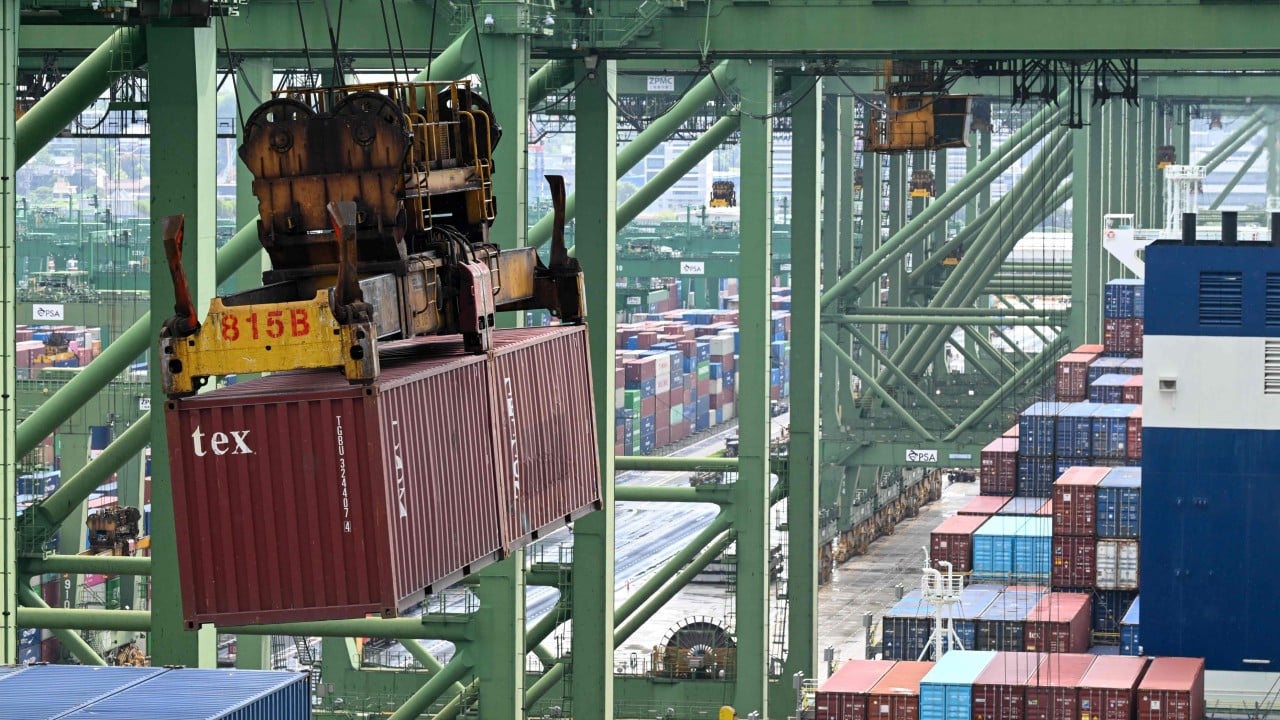
Asia is undergoing a significant shift in its supply chain strategies, moving away from the 'just in time' model due to a confluence of global crises. The COVID-19 pandemic initially disrupted factory operations and logistics networks. This was followed by Russia's invasion of Ukraine, which severely impacted grain exports from the Black Sea and caused energy prices to surge. The recent conflict involving the US and Israel against Iran appears to be the latest catalyst, prompting a re-evaluation of supply chain resilience. Economists suggest that the 'just in time' approach, which prioritizes efficiency and minimal inventory, is no longer suitable for the current volatile global environment. These cumulative disruptions highlight the increasing likelihood and impact of serious global trade interruptions. The region is now actively exploring ways to build more robust and adaptable supply chains to mitigate future shocks.
The recent global disruptions, including the pandemic, the conflict in Ukraine, and tensions in the Middle East, are exposing the inherent vulnerabilities of highly optimized, 'just in time' supply chains. These systems, while efficient in stable conditions, lack the redundancy needed to absorb shocks. The current geopolitical and economic climate necessitates a strategic pivot towards resilience, potentially involving diversification of sourcing, increased inventory holding, and regionalization of production. This transition may lead to higher operational costs but could offer greater stability and predictability in the face of escalating global uncertainties. The long-term implications involve a fundamental rethinking of global trade architecture, balancing efficiency with security in an increasingly complex world.
AI-generated to prompt reflection — not editorial opinion, not advice, not a statement of fact. How this works.