Asia's Surrogacy Trade: The High Cost for Women and Children
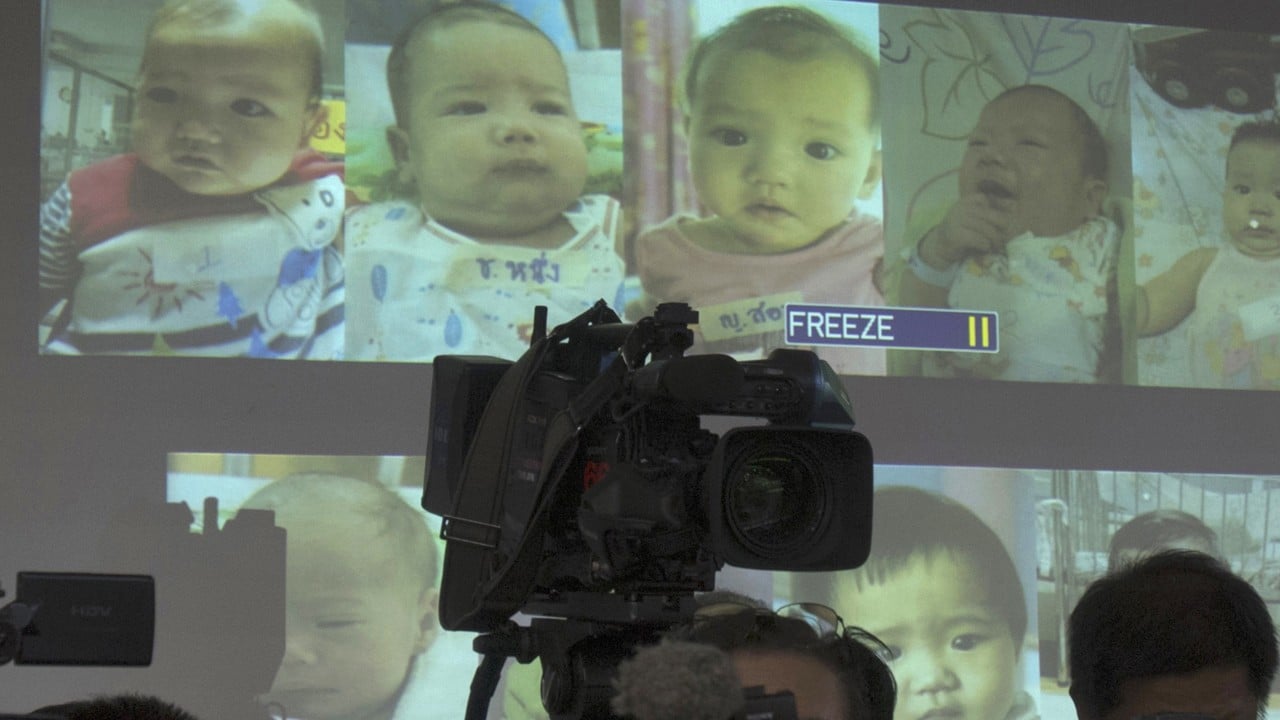
A baby travels through rural Thailand, unaware of the impending separation from the woman who carried her. This child is destined for China, where grandparents will raise her, a situation influenced by past state population control policies. The mother, identified only as Nicha, faces the emotional toll of commercial surrogacy, knowing she may never see her child again. This practice highlights the complex and often painful realities of the international baby trade, where women bear the physical and emotional burden for financial compensation.
The article suggests that this trade is driven by demand from countries like China, where stringent population policies have limited family sizes, creating a market for surrogacy. The women involved, often from economically disadvantaged backgrounds, undertake surrogacy as a means to improve their financial situation. However, the long-term emotional and psychological consequences for both the surrogate mothers and the children born through these arrangements remain a significant concern.
The global surrogacy market, particularly within Asia, presents a complex interplay of reproductive rights, economic disparity, and evolving family structures. While offering a pathway to parenthood for some, it raises critical questions about the commodification of human life and the potential for exploitation of vulnerable women. The long-term societal impact, including the psychological well-being of children born via surrogacy and the ethical considerations of cross-border reproductive arrangements, warrants careful examination. Future regulatory frameworks will need to balance the desires of intended parents with robust protections for surrogates and children, ensuring that market forces do not overshadow fundamental human dignity and rights.
AI-generated to prompt reflection — not editorial opinion, not advice, not a statement of fact. How this works.