Asian Airlines Expand Routes Amidst Fuel Costs and Mideast Conflict
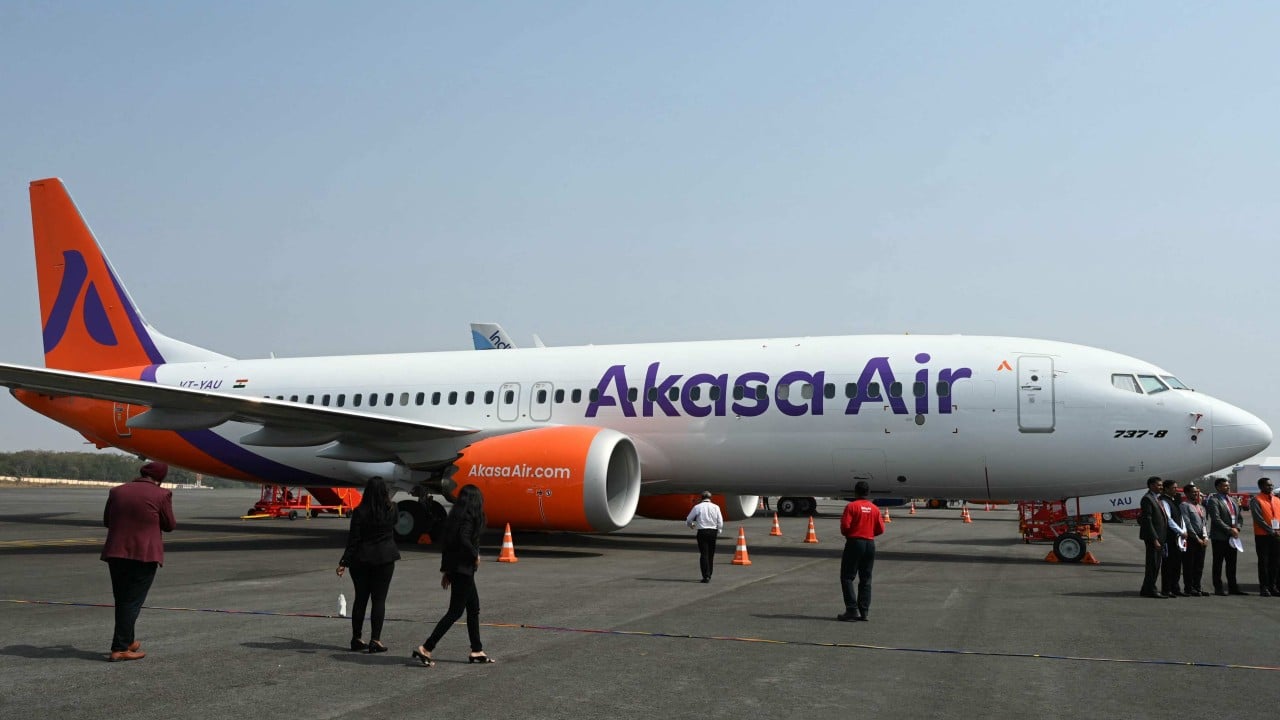
Despite rising jet fuel prices and the ongoing conflict in the Middle East, smaller Asian airlines are pursuing expansion strategies. India's Akasa Air and Malaysia's AirBorneo are among those moving forward with plans to add new routes. Analysts suggest this trend indicates that smaller carriers are identifying growth opportunities while larger airlines face capacity limitations. Akasa Air, a relatively new entrant in the Indian market, recently announced its intention to raise 10.5 billion rupees (approximately US$110 million). This funding will be sourced through a combination of equity and debt, including potential loans from state-owned banks, to support its expansion initiatives. The resilience of these smaller airlines in pursuing growth amidst challenging economic conditions and geopolitical instability highlights a dynamic shift in the regional aviation landscape.
The strategic expansion of smaller Asian airlines, such as Akasa Air and AirBorneo, amidst significant global headwinds like elevated fuel costs and regional conflicts, suggests a potential recalibration of market dynamics. This approach may be driven by a combination of factors including identifying underserved routes, leveraging lower operational overheads compared to legacy carriers, or capitalizing on emergent passenger demand patterns. The ability of these airlines to secure funding, even through state-backed channels, points to a perceived long-term viability and strategic importance within their respective national aviation sectors. As larger carriers navigate capacity constraints, smaller players might exploit this gap, potentially reshaping competitive landscapes and route networks over the next decade. This situation warrants monitoring for its implications on market concentration and consumer choice in the evolving aviation industry.
AI-generated to prompt reflection — not editorial opinion, not advice, not a statement of fact. How this works.