Asian Football Confederation Backs UEFA, Concacaf Against FIFA World Cup Privatization Plan
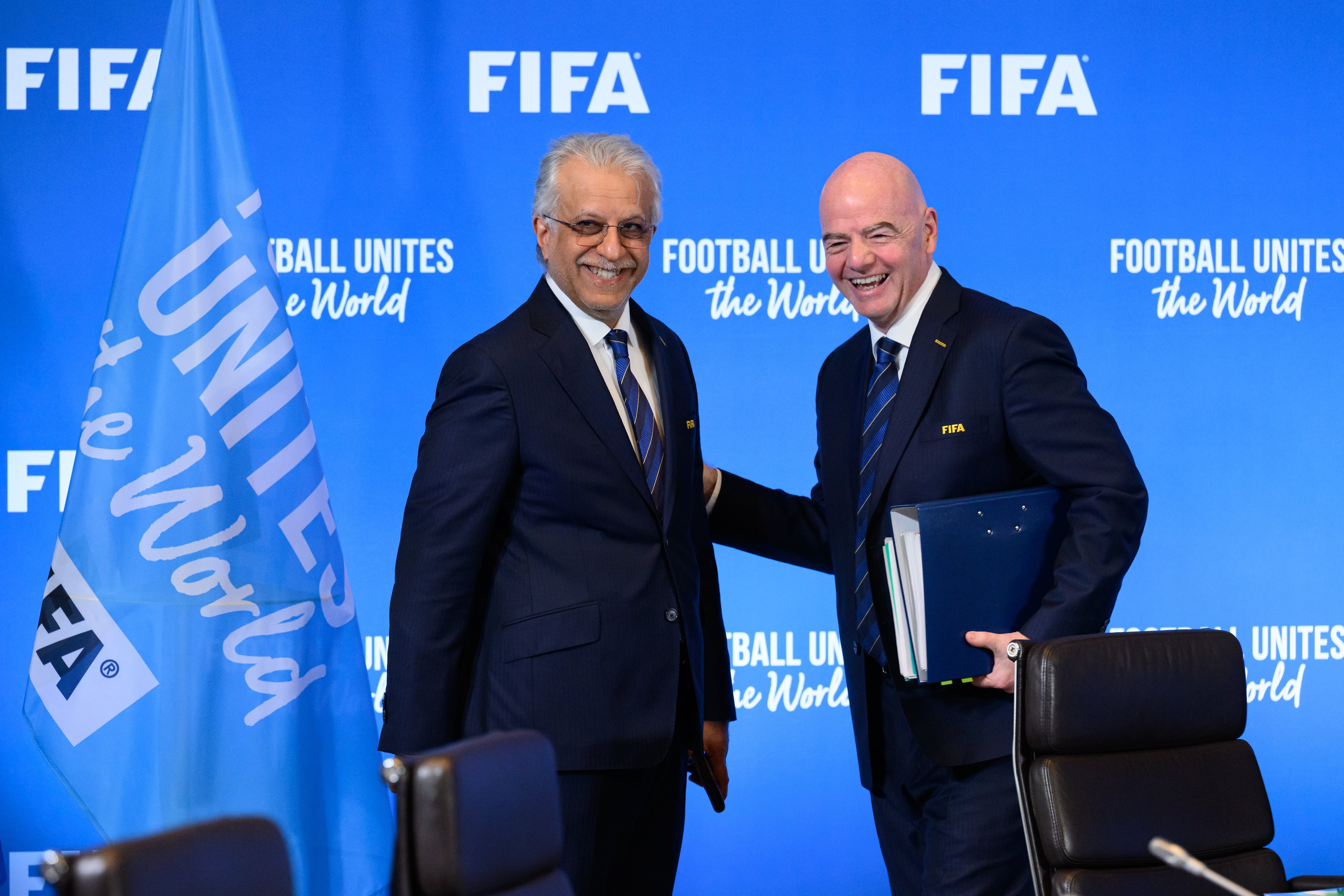
The Asian Football Confederation (AFC) has expressed strong opposition to FIFA's proposal to privatize the World Cup. While the AFC is not joining the boycott initiated by European countries, it has criticized FIFA President Gianni Infantino's plan, deeming it "totally unacceptable." The confederation's stance aligns with that of UEFA and Concacaf, who have also voiced their disapproval of the privatization initiative. This united front from major continental confederations signals significant resistance to FIFA's proposed direction for its premier tournament. The AFC's decision highlights a divergence in strategic vision between the confederation and FIFA's leadership regarding the future commercialization of the World Cup. The implications of this opposition could impact FIFA's ability to implement its privatization agenda.
The AFC's stance against FIFA's World Cup privatization proposal, while stopping short of a boycott, indicates a complex negotiation over commercial control and revenue distribution within global football governance. This opposition from a key confederation, alongside UEFA and Concacaf, suggests that FIFA's proposed model may face significant hurdles in implementation, potentially due to concerns over long-term asset value and equitable benefit sharing among member associations. The situation highlights a recurring tension between FIFA's centralized commercial ambitions and the desire of continental bodies to maintain influence and secure their own financial interests. Future decisions will likely hinge on FIFA's ability to present a revised proposal that addresses these confederations' governance and financial concerns, balancing immediate revenue generation with the sustained health of the sport's ecosystem.
AI-generated to prompt reflection — not editorial opinion, not advice, not a statement of fact. How this works.