Asian Invasive Oyster Removed from São Paulo Mangroves Amidst Native Species Threat
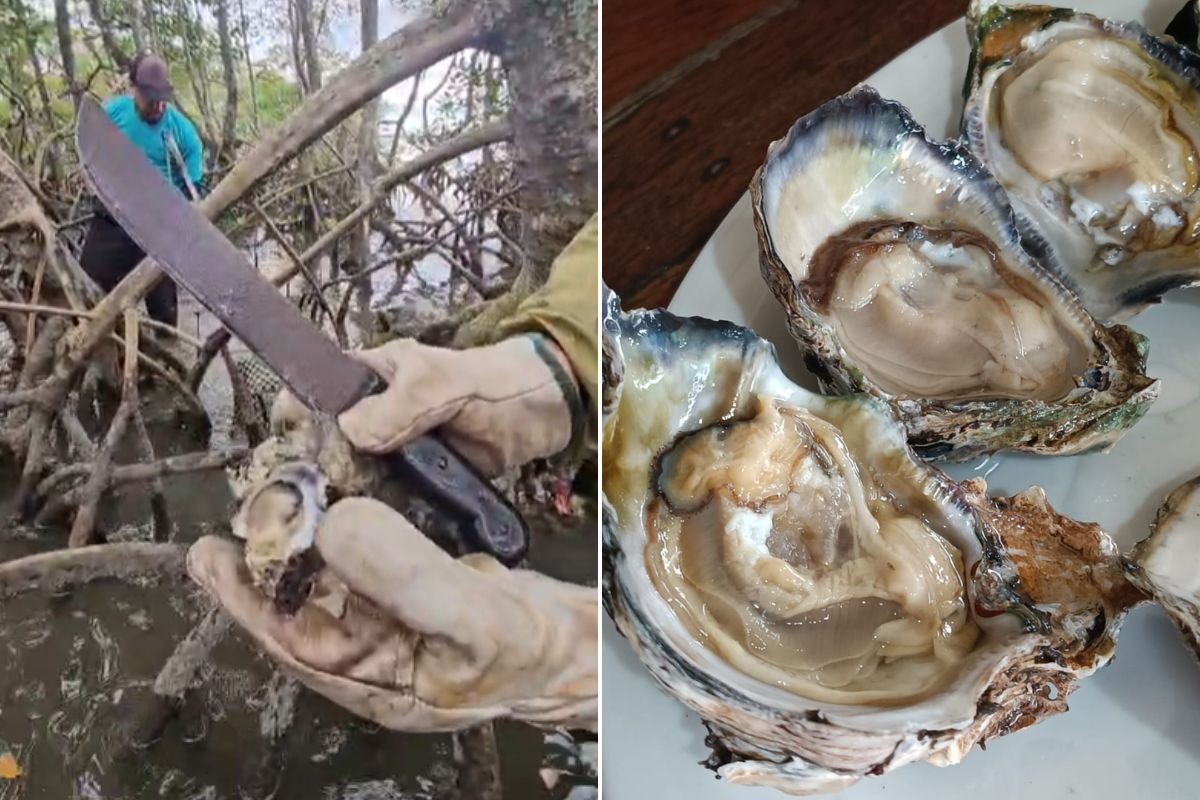
An invasive oyster species from Asia, identified as Saccostrea cucullata and colloquially known as 'tampinha' due to its shell shape, is being removed from the mangroves of Cananéia, São Paulo. This exotic species, originating from the Indian and Pacific oceans, likely arrived in Brazil via ballast water from ships. Its presence poses significant economic, environmental, and social challenges as it competes with native oyster species for space and resources. The 'tampinha' oyster exhibits a high reproductive capacity, rapid larval dispersal, and environmental resilience, giving it a competitive advantage over native species. It also forms dense aggregations that hinder the settlement of native oysters, potentially impacting traditional fishing productivity and altering the ecological dynamics of the mangrove ecosystem, which serves as a crucial nursery for marine life. The expansion of this invasive oyster also threatens the livelihoods of local communities that depend on artisanal fishing of native oysters. To address this issue, researchers from São Paulo State University (Unesp), with support from institutions like the São Paulo State Research Support Foundation (Fapesp), have initiated a monitoring and environmental education project. This initiative involves researchers and fishing communities in efforts to control the invasive population. A collective effort to extract the invasive oysters from the mangroves took place on Wednesday, November 22nd. The project also aims to create economic opportunities by preparing the invasive oysters for sale, thus supporting the local economy. Despite its yellowish flesh, the invasive oyster can be used in various dishes, such as 'arroz mandirano' and farofa.
The removal of the invasive Saccostrea cucullata from São Paulo's mangroves highlights a common challenge in managing biological invasions, which often stem from global trade and shipping activities. The species' high reproductive rate and competitive advantages underscore the systemic fragility of native ecosystems when confronted with non-native organisms. Efforts to eradicate the invasive oyster while simultaneously developing an economic incentive for its removal demonstrate a pragmatic, albeit complex, approach to ecological restoration. This situation prompts consideration of long-term strategies for biosecurity at ports and the potential for bio-economic models in managing invasive species, balancing ecological preservation with community livelihoods in the face of inevitable global interconnectedness.
AI-generated to prompt reflection — not editorial opinion, not advice, not a statement of fact. How this works.