Asian Tiger Mosquito in Hesse: What You Need to Know
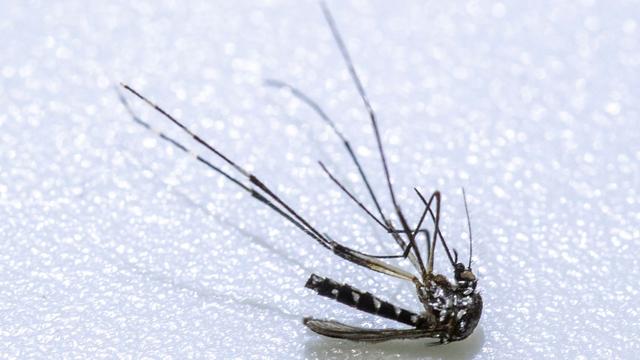
The Asian tiger mosquito (Aedes albopictus) has established itself in the German state of Hesse. This invasive species, originating from Southeast Asia, is known for its aggressive daytime biting and its potential to transmit diseases. While it has been present in Hesse for several years, its population and spread are being closely monitored.
Residents are advised to take preventative measures to avoid mosquito bites and to help limit the mosquito's spread. This includes emptying standing water from containers around homes, as these are breeding grounds for mosquitoes. The mosquito is characterized by its black and white striped legs and body. Its presence is a concern for public health officials due to its capacity to carry viruses like dengue, chikungunya, and Zika, although the risk of local transmission in Germany is currently considered low. Continued surveillance and public awareness campaigns are crucial for managing this invasive species.
The presence of the Asian tiger mosquito in Hesse highlights the ongoing challenges posed by invasive species in a globalized world. While the immediate public health risk from disease transmission in Germany remains low, the expansion of this mosquito species underscores the need for robust, long-term ecological monitoring and public health infrastructure. Future strategies should focus on integrated pest management approaches that consider environmental sustainability and public cooperation, rather than solely relying on reactive measures. The long-term implications involve potential shifts in disease vector distribution due to climate change and increased human mobility, necessitating adaptive public health policies and research investments.
AI-generated to prompt reflection — not editorial opinion, not advice, not a statement of fact. How this works.