ASIO Whistleblower Denied Visa to Testify at Royal Commission, Fears for Safety
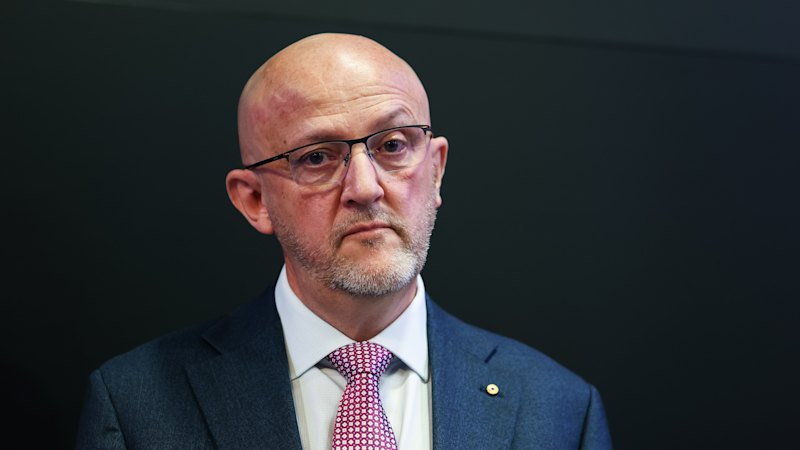
A former Australian Security Intelligence Organisation (ASIO) agent, identified only as Marcus, has been denied a visa by the Department of Home Affairs. Marcus sought to appear in person before the royal commission investigating antisemitism. He has expressed fears for his life, highlighting the sensitive nature of his potential testimony. The royal commission is currently underway, examining allegations and incidents related to antisemitism. The denial of his visa raises concerns about the ability of the commission to access all relevant witnesses and information. Marcus's role as a whistleblower suggests he may possess critical insights into the matters being investigated. His inability to attend in person could potentially impact the thoroughness of the commission's findings. The situation underscores the complexities of balancing national security considerations with the demands of public inquiries.
The denial of a visa to a key whistleblower for a royal commission presents a complex governance challenge. It raises questions about the balance between national security protocols and the imperative for transparency in public inquiries. The individual's expressed fear for their life suggests potential implications that extend beyond the immediate scope of the antisemitism investigation, possibly touching upon intelligence operations or informant protection. Future iterations of such commissions may benefit from pre-established frameworks to facilitate the secure and timely appearance of witnesses with sensitive information, ensuring that systemic issues can be fully examined without compromising individual safety or operational integrity.
AI-generated to prompt reflection — not editorial opinion, not advice, not a statement of fact. How this works.