ASML Competitors: Startups Aim to Replicate World's Most Expensive Machine More Affordably
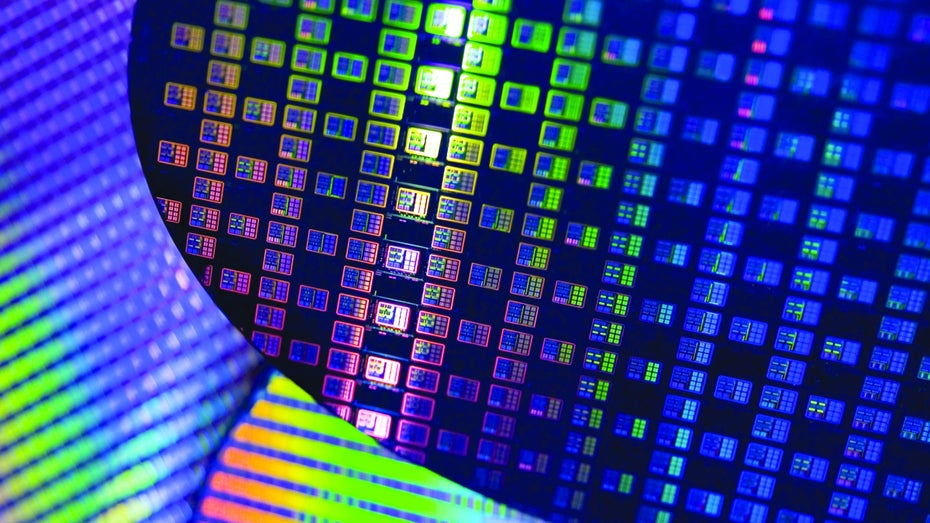
The artificial intelligence era necessitates increasingly powerful and faster computer chips. Currently, the Dutch company ASML holds a monopoly on the essential production equipment required for manufacturing these advanced chips. However, several startups are emerging with ambitions to replicate ASML's technology, aiming to offer more cost-effective alternatives to the world's most expensive machinery. This development could potentially disrupt ASML's dominant market position and introduce new dynamics into the semiconductor manufacturing landscape. The demand for high-performance chips is driven by the exponential growth in AI applications, which require significant computational power. ASML's lithography machines are critical for producing the cutting-edge chips that power these AI advancements. The high cost and limited availability of ASML's technology present a barrier for many companies seeking to scale their chip production. The emergence of competing startups suggests a growing market opportunity for more accessible lithography solutions. These startups are likely focusing on specific technological niches or aiming for incremental improvements to reduce manufacturing costs. Their success could lead to greater competition and innovation within the semiconductor equipment industry.
AI's insatiable demand for advanced chips creates a significant market for lithography technology, currently dominated by ASML. The emergence of startups aiming to replicate this complex machinery at a lower cost reflects a classic market dynamic: high-value monopolies attract competition. These new entrants may leverage alternative technological approaches or focus on specific segments of the lithography process. Their efforts could foster innovation and potentially lower costs, benefiting the broader semiconductor industry and accelerating AI development. However, the immense technical challenges and capital investment required to compete with ASML's established expertise and intellectual property present substantial hurdles. The long-term impact will depend on whether these startups can achieve technological parity or offer compelling value propositions that address specific market needs, potentially creating a more diversified and resilient supply chain for critical chip manufacturing equipment.
AI-generated to prompt reflection — not editorial opinion, not advice, not a statement of fact. How this works.