Assam CM Suggests Ulfa Leader's Portrait Over Che Guevara Amidst Graffiti Row
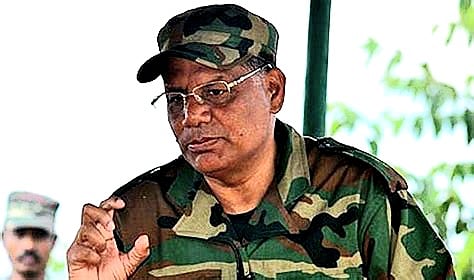
Assam Chief Minister Himanta Biswa Sarma has ignited a controversy by suggesting that a portrait of United Liberation Front of Asom (ULFA) leader Paresh Barua should be painted instead of Che Guevara. This statement came in response to a separate incident where graffiti of popular singer Gargi was removed. The Chief Minister's comment implies a shift in focus or a provocative stance regarding historical and political figures. The original incident involved the erasure of artwork, leading to public discussion and the Chief Minister's subsequent remarks. The comparison between Barua, a contemporary insurgent leader, and Guevara, a global revolutionary icon, has drawn significant attention. This situation highlights ongoing debates about regional identity, political symbolism, and the role of historical figures in public spaces within Assam. The Chief Minister's suggestion has been interpreted in various ways, sparking discussions about who is considered a revolutionary or a hero in the Assamese context. The controversy surrounding the graffiti removal appears to have inadvertently opened a dialogue about these broader themes.
The Assam Chief Minister's suggestion to replace Che Guevara's image with that of ULFA leader Paresh Barua, in the context of a graffiti removal incident, presents a complex interplay of regional politics and historical symbolism. This move can be analyzed through the lens of identity politics, where the Chief Minister may be attempting to elevate figures relevant to Assamese history and aspirations, potentially as a means to foster a distinct regional narrative. The juxtaposition of a globally recognized revolutionary with a regional insurgent leader raises questions about the criteria for 'revolutionary' status and the potential for reinterpreting historical legacies to align with contemporary political objectives. Such actions can influence public perception and national discourse by framing certain individuals as heroes or symbols of resistance, thereby shaping collective memory and potentially impacting future political dialogues. This strategic use of symbolism warrants attention regarding its long-term implications for regional identity and national integration.
AI-generated to prompt reflection — not editorial opinion, not advice, not a statement of fact. How this works.