Assembly Violates Public Service Law, Government and Opposition Clash
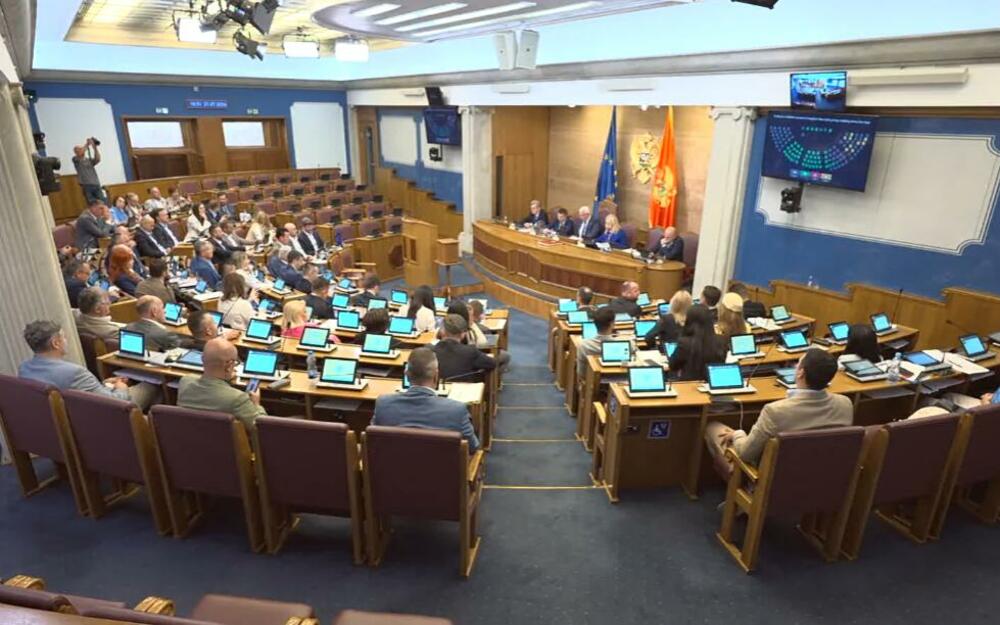
The Montenegrin Parliament has reportedly violated the Law on Public Service Broadcasting in its recent actions concerning the RTCG (Radio and Television of Montenegro) management body. Civil society organizations (NGOs) assert that the ruling party is continuing its strategy of political control over RTCG's leadership through these legislative maneuvers. This move by the Assembly is seen by critics as an attempt to maintain influence over the public broadcaster's editorial policies and governance. The opposition is expected to contest these actions, potentially leading to further political deadlock. The situation highlights ongoing tensions between political actors and the independence of public media institutions in Montenegro. The NGOs emphasize that such interference undermines the principles of a free and independent press, which is crucial for democratic accountability. The specific details of the alleged violation of the law are not provided in the source, but the implication is a disregard for established legal frameworks governing public service media. This development raises concerns about the future autonomy of RTCG and its ability to serve the public interest impartially.
The reported legislative action by the Montenegrin Assembly raises questions about the institutional mechanisms designed to ensure the independence of public service media. When political bodies are perceived to exert undue influence over the management of broadcasters like RTCG, it can create incentives for editorial decisions to align with governmental interests rather than public service mandates. This dynamic can erode public trust and hinder the media's role in fostering informed public discourse. Looking ahead, the sustainability of independent public broadcasting hinges on robust legal frameworks and consistent adherence to principles of impartiality, particularly as technological shifts continue to reshape media consumption and governance.
AI-generated to prompt reflection — not editorial opinion, not advice, not a statement of fact. How this works.