Assessing the Utility of Portable Oxygen Concentrators for Patients Needing Oxygen Therapy
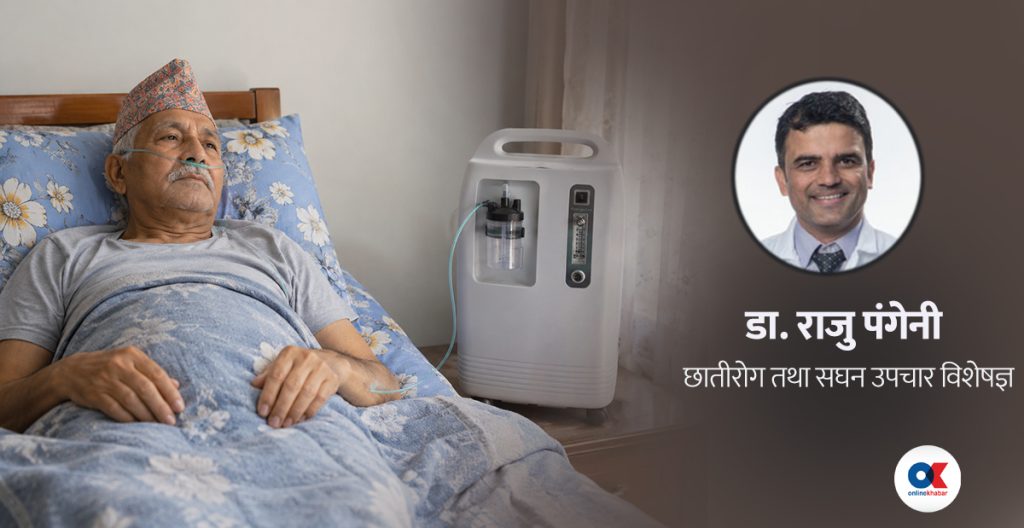
Oxygen therapy can be a life-saving treatment for individuals experiencing dangerously low blood oxygen levels. This is particularly relevant for patients with chronic lung diseases such as COPD, severe asthma, pulmonary fibrosis, chronic lung infections, or other conditions that impair oxygenation. In such cases, supplemental oxygen may be medically necessary, as advised by a physician. Currently, the primary methods for providing oxygen are oxygen cylinders and, increasingly, portable oxygen concentrators. These devices offer a potential alternative for patients requiring continuous or on-demand oxygen support. The article aims to explore the effectiveness and practical applications of portable oxygen concentrators in managing patients with hypoxemia. It will delve into how these machines function and their suitability for various patient needs. The discussion will also touch upon the advantages and limitations compared to traditional oxygen cylinders, considering factors like portability, maintenance, and cost-effectiveness. Ultimately, the goal is to provide a comprehensive understanding of their role in modern respiratory care.
The increasing availability of portable oxygen concentrators presents a significant shift in managing chronic respiratory conditions. These devices offer enhanced patient mobility and independence compared to traditional oxygen cylinders, potentially improving quality of life. However, their efficacy is contingent on appropriate patient selection, device reliability, and adequate healthcare infrastructure for support and maintenance. As medical technology advances, understanding the cost-benefit trade-offs and long-term health outcomes associated with concentrators versus cylinders will be crucial for healthcare policy and patient care decisions. The future may see further integration of such portable technologies, driven by the desire for greater patient autonomy and more efficient healthcare delivery models.
AI-generated to prompt reflection — not editorial opinion, not advice, not a statement of fact. How this works.