Asteroid Nysa May Be Three Worlds Joined by 'Necks,' New Images Reveal
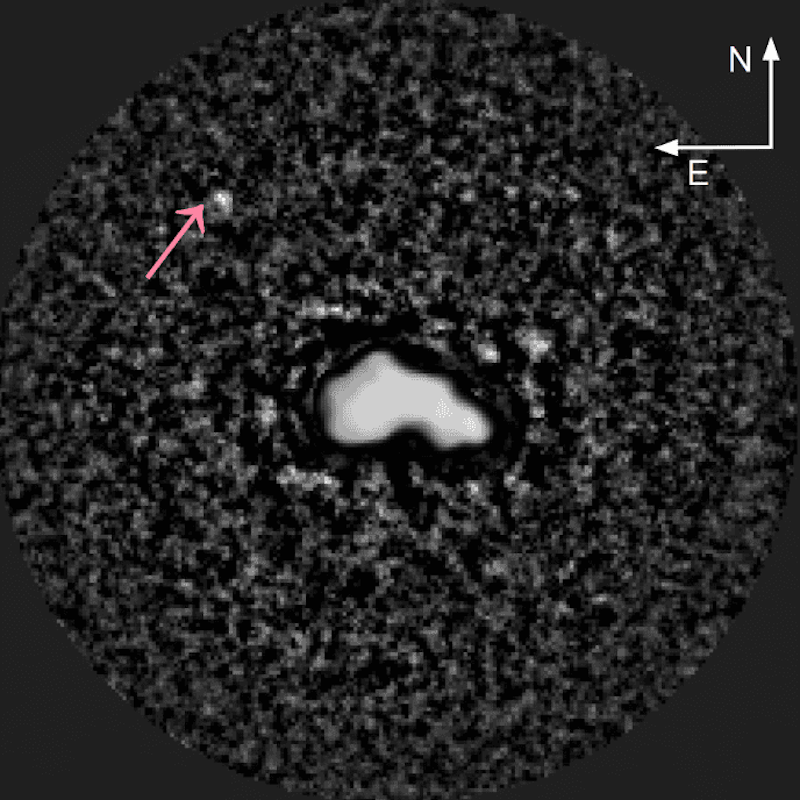
Scientists have captured the most detailed images yet of asteroid (44) Nysa, an object observed for over a century. These new observations, made using two of Earth's most powerful telescopes, reveal two prominent valleys encircling the asteroid's circumference. The research team proposes that these valleys are 'necks' connecting three distinct lobes, forming a single, 75-kilometer-long body. If confirmed, Nysa would be the first known triple-lobed celestial body. Intriguingly, the same observations also identified a previously unknown moon approximately one kilometer in diameter, orbiting Nysa. This newly discovered moon could potentially provide crucial evidence to resolve the debate about Nysa's unique shape and structure.
The discovery of Nysa's potential triple-lobed structure and its accompanying moon highlights the ongoing advancements in astronomical observation capabilities. These findings underscore how even long-studied celestial bodies can reveal novel characteristics with improved technology. The scientific process of observation, hypothesis formation (the 'necks' theory), and the search for corroborating evidence (the moon's role) exemplifies robust inquiry. Future research will likely focus on refining Nysa's three-dimensional model and understanding the dynamical implications of its unusual shape and its moon's orbit, offering insights into asteroid formation and evolution within the solar system.
AI-generated to prompt reflection — not editorial opinion, not advice, not a statement of fact. How this works.