Astrobiology's Search for Exoplanets Offers Insights into Earth's Past and Future
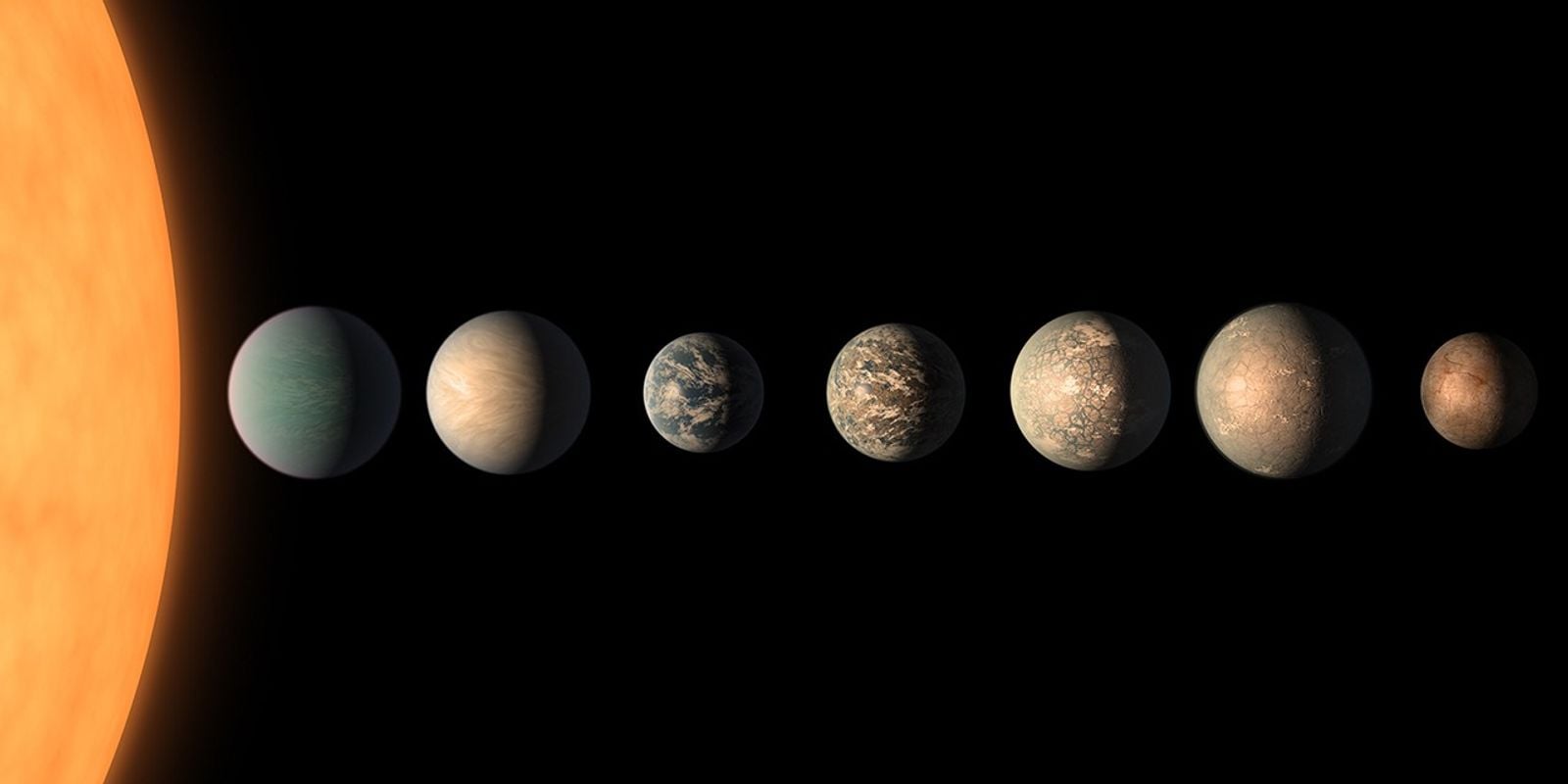
The ongoing search for rocky exoplanets orbiting distant stars extends beyond simple scientific curiosity. This endeavor provides astrobiologists with a unique opportunity to gain critical understanding of Earth's fundamental processes. By studying planets outside our solar system, researchers can develop new perspectives on planetary formation, evolution, and the conditions necessary for life. This comparative approach allows scientists to test hypotheses about Earth's geological history and its potential future trajectories. The discovery and characterization of these exoplanets serve as a vital window, enabling a deeper comprehension of the factors that have shaped our own world. Ultimately, astrobiology's exploration of extrasolar planets enriches our knowledge of Earth's place in the cosmos and the potential for life elsewhere.
The pursuit of exoplanets serves as a powerful external reference point for understanding Earth's complex systems. By observing diverse planetary environments, scientists can identify common patterns and unique deviations in planetary evolution, thereby refining models of Earth's own history and future. This comparative planetary science highlights the contingent nature of Earth's habitability and may inform strategies for environmental stewardship. Examining exoplanetary conditions can also illuminate the long-term impacts of geological and atmospheric processes, offering foresight into potential climate shifts and resource sustainability challenges on Earth over the next century.
AI-generated to prompt reflection — not editorial opinion, not advice, not a statement of fact. How this works.