Astrologers Identify Three Zodiac Signs With Higher Chances of Winning Lotteries
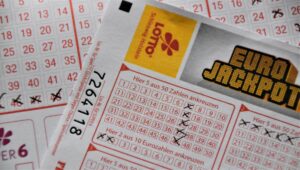
Astrologers suggest that certain zodiac signs possess a greater propensity for winning games of chance compared to others. Each individual's birth sign is believed to carry a unique stellar code that influences their destiny, including their potential for financial gains through luck-based activities. Specifically, three zodiac signs are highlighted as having a statistically higher likelihood of winning money in games of chance. The article implies that these signs are more attuned to opportunities for financial windfalls. Further details within the full article would likely elaborate on which specific signs these are and the astrological reasoning behind this claim. The concept posits that inherent astrological configurations can predispose individuals to luckier outcomes in lottery-style games. This perspective suggests that while chance plays a role, cosmic alignments might offer an advantage to certain individuals born under particular signs. The article encourages readers to check if their own zodiac sign falls within this fortunate group.
This article presents a pseudoscientific claim linking astrological signs to increased chances of winning games of chance. From a rational perspective, lottery outcomes are determined by random number generation, and no scientific evidence supports the idea that birth dates or zodiac signs influence these probabilities. The framing appeals to a desire for easy financial gain and may exploit cognitive biases such as confirmation bias and the gambler's fallacy. While the article itself is harmless entertainment, it's important to recognize that relying on such predictions for financial decisions is ill-advised. The underlying incentive structure for such content is often engagement through sensationalism rather than factual reporting. In the context of future societal trends, the continued popularity of such beliefs highlights a persistent human search for meaning and control in an increasingly complex and uncertain world, even when detached from empirical validation.
AI-generated to prompt reflection — not editorial opinion, not advice, not a statement of fact. How this works.
