Astronaut Maurer Practices Tooth Extraction for Space Emergencies
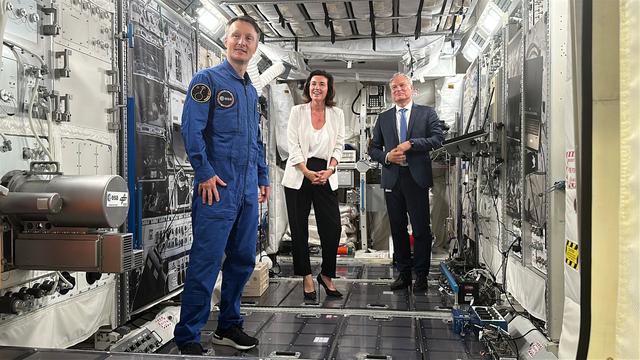
German astronaut Matthias Maurer has undergone training to practice tooth extraction, a crucial skill for potential emergencies during space missions. The training took place in a simulated environment, preparing Maurer for scenarios where immediate dental care might be necessary and medical support is unavailable. This preparation highlights the comprehensive nature of astronaut training, which extends beyond typical mission objectives to encompass a wide range of potential medical situations. Ensuring astronauts can handle such unforeseen events is vital for their health and safety in the isolated and challenging conditions of space. The exercise underscores the importance of self-sufficiency for long-duration spaceflights. Maurer, who has previously served on the International Space Station (ISS), is part of the European Space Agency's (ESA) astronaut corps. Such specialized training ensures that astronauts are equipped to manage a variety of medical issues, from minor ailments to more serious emergencies, thereby enhancing mission resilience. The ability to perform basic medical procedures, like tooth extraction, can be critical when immediate evacuation or external medical assistance is not feasible. This proactive approach to astronaut well-being is a cornerstone of modern space exploration planning.
Preparing astronauts for self-sufficient medical interventions, such as dental emergencies, reflects a pragmatic approach to mitigating risks in isolated environments. This training acknowledges the inherent limitations of immediate external support during space missions, emphasizing the need for onboard capabilities. As space exploration extends to longer durations and more distant destinations, such preparedness becomes increasingly critical. The investment in diverse medical skillsets for astronauts underscores a systemic recognition of the complex physiological and psychological challenges of extraterrestrial living. Future missions may necessitate even more advanced onboard medical autonomy, potentially integrating AI-assisted diagnostics and procedures to further enhance crew safety and mission success.
AI-generated to prompt reflection — not editorial opinion, not advice, not a statement of fact. How this works.