Astronomers Detect First Sugar Molecule in Milky Way Cloud
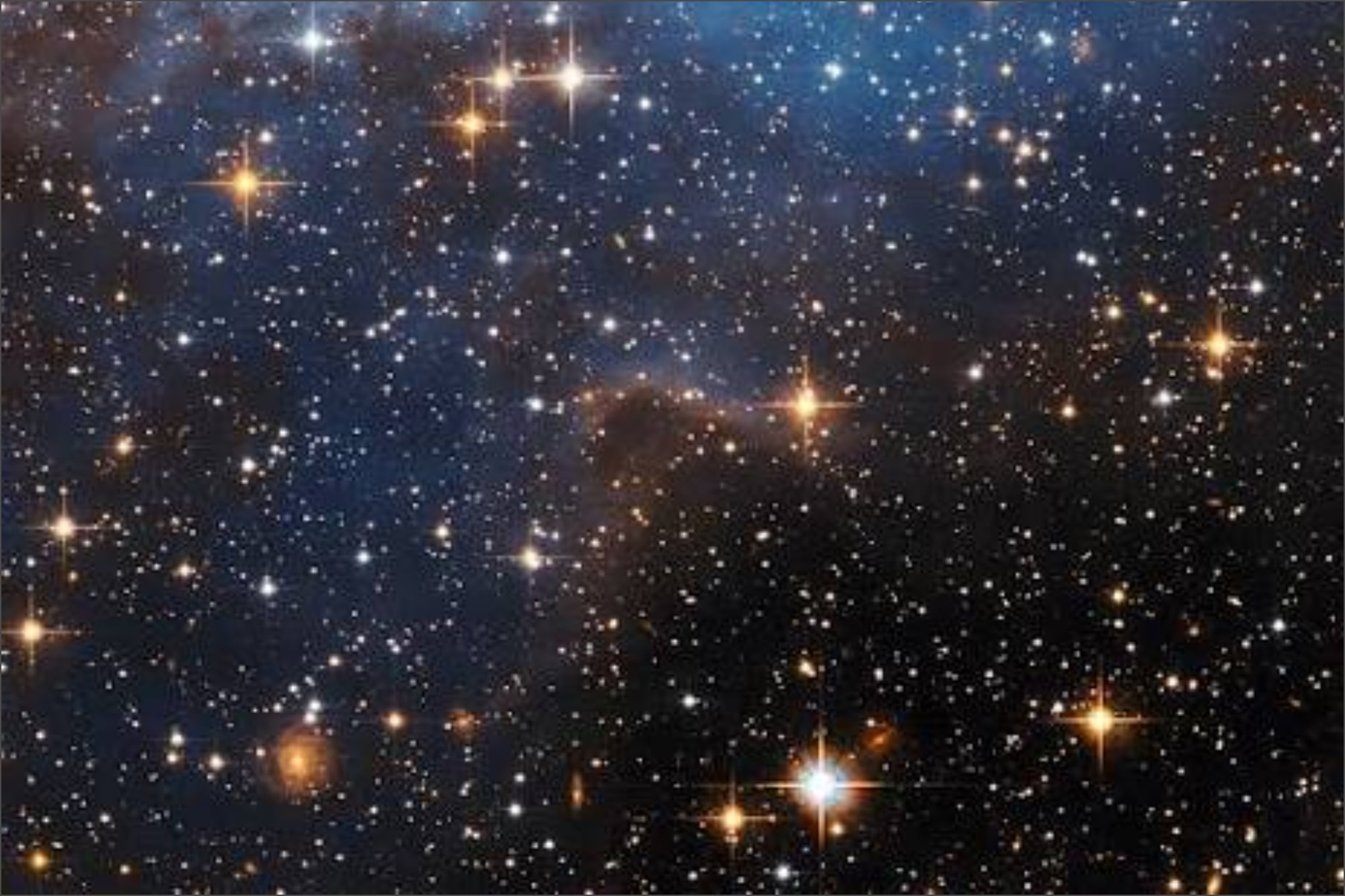
For the first time, astronomers have detected a sugar molecule in a cloud of gas and dust within the Milky Way galaxy. This significant discovery was made using radio telescopes, which identified the molecule as glycolaldehyde. Glycolaldehyde is a simple sugar that plays a role in the formation of RNA, a molecule crucial for life as we know it. The cloud where the sugar was found is located approximately 400 light-years away from Earth, near the center of the galaxy. This finding provides compelling evidence that the building blocks of life can form in interstellar space, independent of planetary environments. Researchers believe this sugar molecule could have been delivered to early Earth via comets or asteroids, contributing to the origin of life. The detection of glycolaldehyde in such a distant location challenges previous assumptions about the complexity of molecules that can exist and form in the harsh conditions of interstellar space. This breakthrough opens new avenues for understanding prebiotic chemistry and the potential for life to arise elsewhere in the universe. Further observations are planned to study the abundance and distribution of this and other complex organic molecules in similar cosmic environments.
The detection of glycolaldehyde, a simple sugar, in an interstellar cloud represents a significant advancement in astrobiology, suggesting that the fundamental organic molecules necessary for life can indeed form in the vastness of space. This finding strengthens the hypothesis that the ingredients for life's origin may be widely distributed throughout the cosmos, potentially seeding nascent planets. From a systems perspective, this discovery highlights the efficacy of advanced radio astronomy in probing complex molecular compositions in extreme environments. It prompts a re-evaluation of prebiotic chemistry models, potentially shifting focus from purely terrestrial origins to a more cosmopolitan view of life's genesis. The implications for future exoplanet research are profound, as the presence of such molecules could become a key biosignature indicator, guiding the search for habitable worlds and extraterrestrial life within the next decade.
AI-generated to prompt reflection — not editorial opinion, not advice, not a statement of fact. How this works.