Astronomers Detect Invisible Space Debris in Geostationary Orbit Using New Algorithm
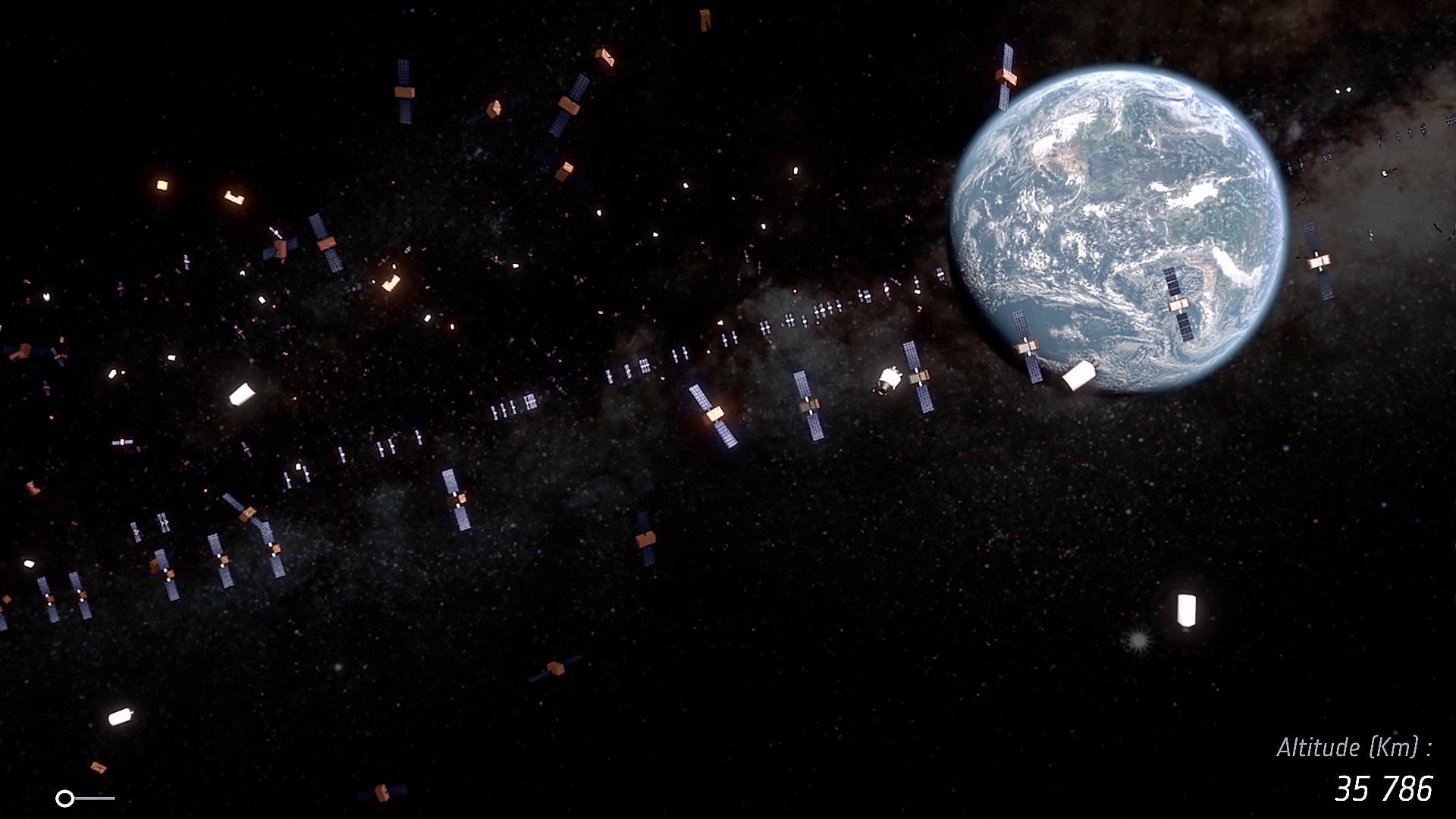
Geostationary orbit (GEO), a vital region for GPS, weather tracking, and communication satellites, faces a significant threat from undetected space debris. Traditional sensors struggle to identify small debris fragments at GEO's high altitude. However, a new study published in the Journal of Astronautical Sciences introduces an innovative approach to address this challenge. Researchers, led by James Blake and an international team, have developed an advanced algorithm capable of detecting previously invisible space junk. This "blind stacking" technique, as described in the paper, significantly enhances the ability to identify small debris that would otherwise evade conventional survey methods. The development is crucial for maintaining the safety and functionality of critical satellites operating in this valuable orbital space.
The increasing density of satellites in geostationary orbit necessitates robust debris monitoring to prevent catastrophic collisions. Traditional sensor limitations highlight the need for advanced computational techniques like "blind stacking" to identify smaller, less detectable fragments. This development underscores a critical challenge in space governance: ensuring the long-term sustainability of orbital infrastructure. Future efforts will likely focus on refining these detection methods and developing international protocols for debris mitigation and removal, balancing the immediate benefits of satellite deployment with the generational responsibility of preserving space for future use. The economic and strategic importance of GEO suggests that investment in such technologies will continue to grow.
AI-generated to prompt reflection — not editorial opinion, not advice, not a statement of fact. How this works.