Astronomers Discover First Exo-satellite, Blurring Lines Between Planets and Moons
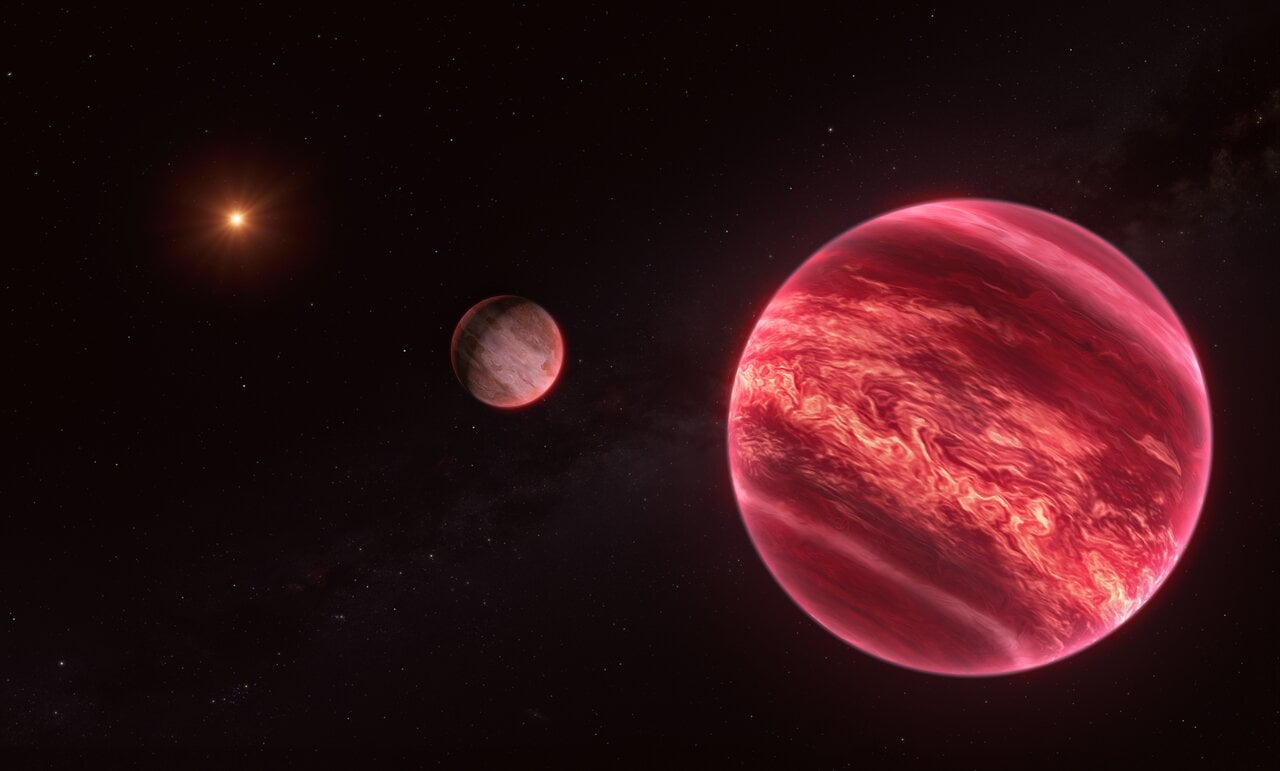
Astronomers have identified what they believe to be the first confirmed exo-satellite, an object orbiting a planet outside our solar system. This discovery challenges existing astronomical definitions of celestial bodies. The object is described as a Jupiter-like body that orbits a brown dwarf companion to a star. The classification of this celestial body raises questions about whether it should be considered a planet, a moon, or an entirely new category of astronomical object. Further research is needed to definitively categorize this unique find and understand its implications for planetary science.
The discovery of this potential exo-satellite prompts a re-evaluation of astronomical classification systems, potentially necessitating new definitions to accommodate objects that bridge the gap between planets and moons. This finding highlights the vast diversity of planetary systems beyond our own and underscores the limitations of current models in fully describing cosmic phenomena. Future research will likely focus on refining observational techniques and theoretical frameworks to better understand the formation and evolution of such complex systems, offering insights into the universal principles governing celestial body development.
AI-generated to prompt reflection — not editorial opinion, not advice, not a statement of fact. How this works.