Astronomers Question Traditional Galaxy-Black Hole Growth Model
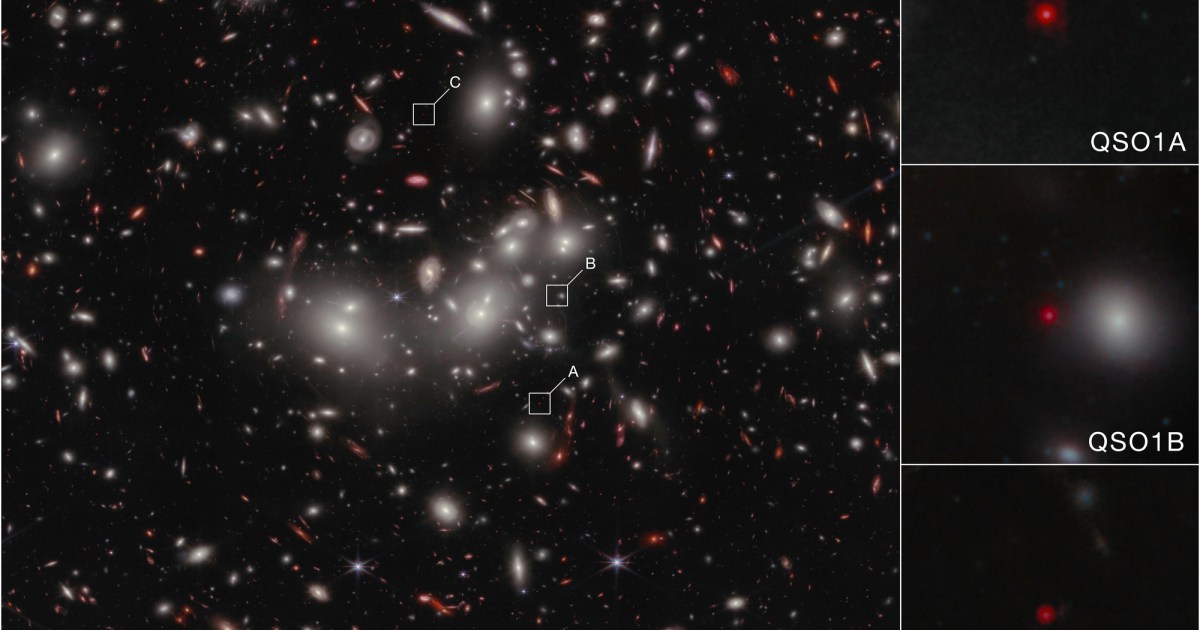
For decades, the prevailing astronomical theory suggested that galaxies and their central supermassive black holes develop in tandem. The established narrative posits that a galaxy forms first, accumulating gas and igniting stars. Subsequently, a smaller 'seed' black hole near the galactic center begins to consume surrounding gas and dust. Over vast timescales, this black hole grows into a supermassive entity, mirroring the galaxy's own expansion. However, recent observations are challenging this long-held view, prompting a re-evaluation of the precise sequence and interplay between galactic and black hole evolution. This new evidence suggests that the conventional understanding of this cosmic co-evolution may need significant revision.
The traditional model of co-evolution between galaxies and their central black holes, where the galaxy matures first, is being challenged by new observational data. This discrepancy prompts a re-examination of the underlying physical processes and feedback mechanisms governing star formation and black hole accretion. Understanding the precise timing and causal relationships between these two phenomena is crucial for refining cosmological models. Future research will likely focus on identifying the specific environmental factors or internal processes that could lead to a black hole outgrowing its host galaxy, potentially revealing new insights into the fundamental drivers of cosmic structure formation over the next decade.
AI-generated to prompt reflection — not editorial opinion, not advice, not a statement of fact. How this works.