Astronomers Resolve Decades-Old Solar Silver Mystery with Advanced Modeling
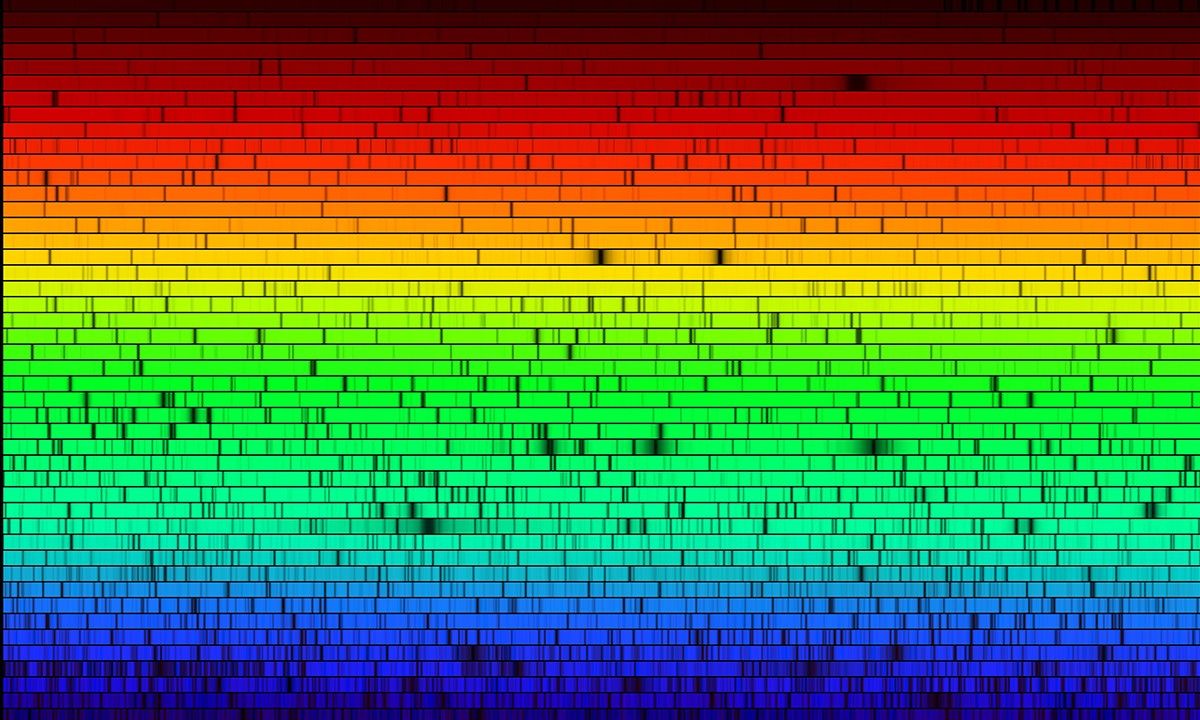
Astronomers have finally solved a long-standing puzzle concerning the amount of silver in the Sun. The mystery, which has persisted for decades, was resolved not by discovering new celestial bodies or phenomena, but through a more accurate computational model of the Sun's atmosphere. This advanced model indicates that the Sun actually contains 55% more silver than previous calculations suggested. This revised figure now aligns with the silver content previously observed in meteorites, which had long presented a discrepancy. The resolution highlights that significant astronomical discoveries can arise from re-examining existing data with improved analytical techniques and theoretical frameworks. This advancement underscores the importance of refining our understanding of solar composition through sophisticated modeling.
This discovery illustrates how advancements in computational modeling can refine our understanding of fundamental astrophysical compositions, resolving long-standing discrepancies between solar observations and meteorite analysis. The revised figure for solar silver content, now 55% higher, suggests that previous models may have oversimplified the complex atmospheric conditions of stars. This case emphasizes the iterative nature of scientific progress, where improved theoretical tools can unlock new insights from familiar data. It prompts consideration of whether similar discrepancies exist for other elements, and how enhanced modeling capabilities might resolve them, potentially offering a more complete picture of stellar nucleosynthesis and the early solar system's chemical evolution.
AI-generated to prompt reflection — not editorial opinion, not advice, not a statement of fact. How this works.