Astronomy Picture of the Day Features Helix Nebula Cometary Knots
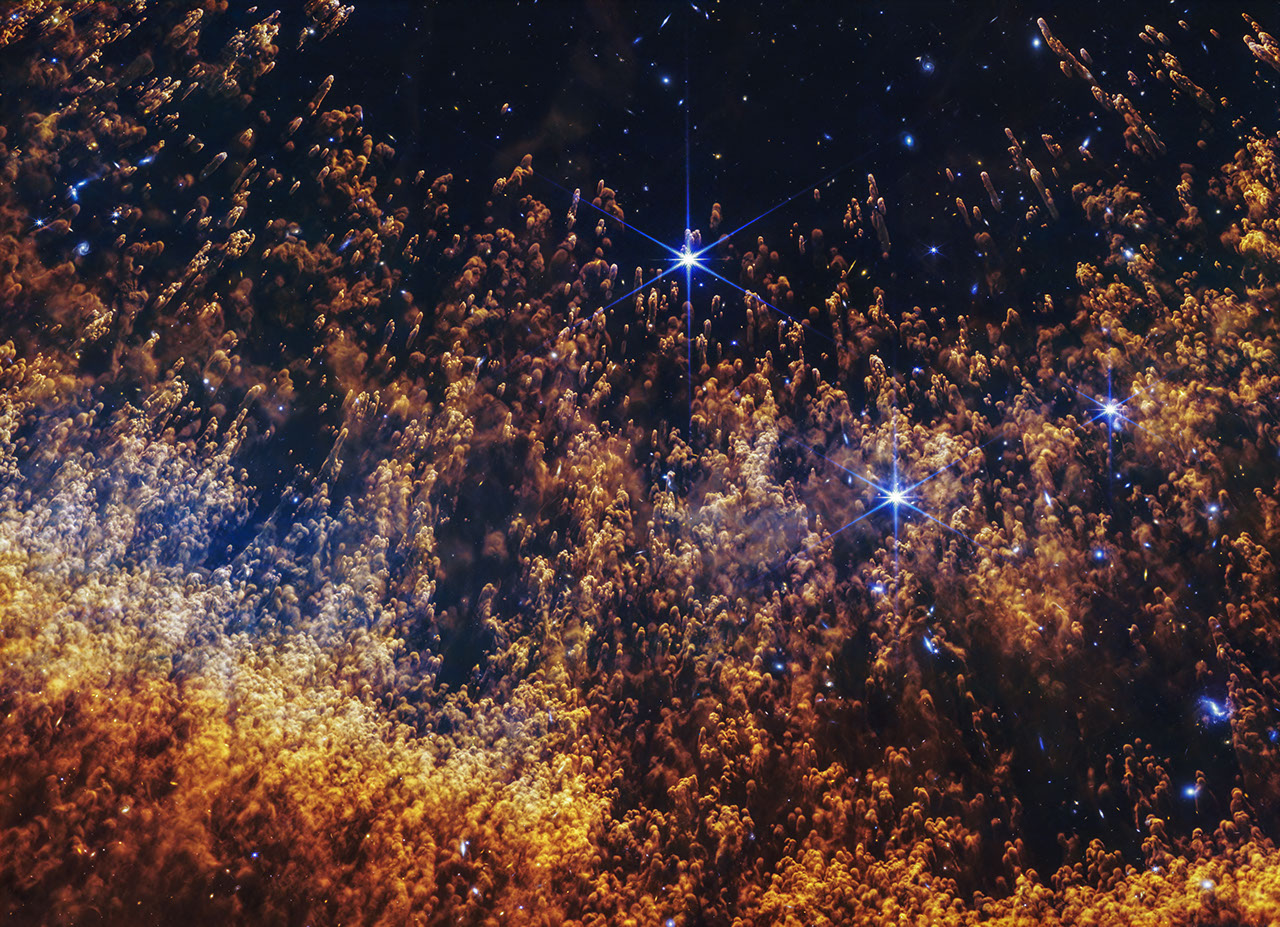
The Astronomy Picture of the Day (APOD) for August 4, 2026, highlights curious cometary knots within the Helix Nebula. APOD showcases a different image or photograph of the universe daily, accompanied by a concise explanation from a professional astronomer. The Helix Nebula, also known as the "Eye of God," is a planetary nebula located about 650 light-years away in the constellation Aquarius. Its distinctive shape is formed by the expanding shell of gas ejected by a dying star. The featured cometary knots are thought to be dense clumps of gas and dust within the nebula, possibly remnants of the star's outer layers or structures formed by interaction with the stellar wind. These knots add complexity and intrigue to the visual representation of the nebula's evolution. The APOD project aims to foster discovery and understanding of the cosmos through accessible astronomical imagery and expert commentary.
This APOD feature presents a visually striking astronomical phenomenon, offering a daily glimpse into cosmic processes. By highlighting specific features like cometary knots in the Helix Nebula, APOD serves an educational purpose, demystifying complex celestial events. The framing focuses on scientific curiosity and the aesthetic beauty of the universe, which can inspire public interest in astronomy. From a systems perspective, such public outreach is vital for fostering scientific literacy and potentially encouraging future investment in space exploration and research. The long-term implications involve cultivating a more informed populace capable of appreciating and supporting scientific endeavors in an increasingly complex technological landscape.
AI-generated to prompt reflection — not editorial opinion, not advice, not a statement of fact. How this works.
