At Least 13 Bodies Recovered After Earthquakes on Japan's Kyushu Island
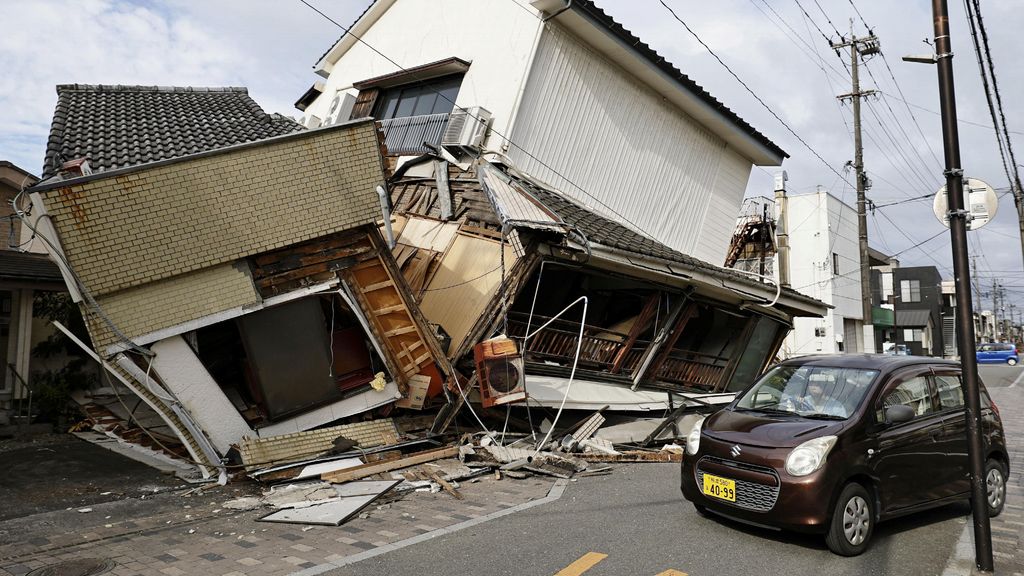
Rescue teams in Japan have recovered at least thirteen bodies following a series of powerful earthquakes that struck the southern island of Kyushu. Prime Minister Sanae Takaichi stated that people are still awaiting rescue, describing the situation as a race against time. The region was initially hit by a 7.1 magnitude earthquake, followed later by a weaker 3.0 magnitude tremor. While fatalities were expected, the Prime Minister confirmed the recovery of thirteen victims, with the number anticipated to rise. Japanese media report that at least 130 individuals are receiving medical treatment in hospitals across the affected area. The city of Kumamoto and its surroundings have suffered extensive damage. Tens of thousands of residents are without electricity. Infrastructure, including bridges and factories, has collapsed, along with numerous homes and office buildings. A shopping center experienced an explosion shortly after the earthquake, resulting in two deaths and the collapse of its roof. Over 200 people were evacuated from the mall before the explosion, but some individuals remain unaccounted for. The Japanese military has been deployed to provide emergency aid and assist in the search for survivors. The government is organizing a large-scale operation to deliver essential supplies such as medicine, food, and water to the disaster zone.
The earthquakes on Kyushu highlight the persistent vulnerability of densely populated areas to seismic events, even in technologically advanced nations. The immediate response, involving military deployment and large-scale supply operations, reflects established disaster management protocols. However, the repeated seismic activity and the scale of destruction, particularly the collapse of infrastructure and buildings, underscore the ongoing challenge of ensuring structural resilience against extreme natural forces. Future preparedness strategies may need to integrate more advanced early warning systems and adaptive urban planning to mitigate cascading failures in critical infrastructure, especially as climate-related and geological risks potentially intensify in the coming decade. The economic impact on local industries and the long-term recovery needs will require sustained governmental and international support, emphasizing the importance of robust insurance mechanisms and resilient supply chains.
AI-generated to prompt reflection — not editorial opinion, not advice, not a statement of fact. How this works.