Atacama Desert's Pristine Skies Threatened by Growing Light Pollution
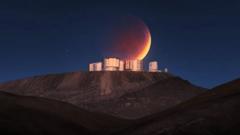
The Atacama Desert in South America, renowned as one of the world's premier locations for stargazing, is facing a significant threat from encroaching artificial light. This gradual increase in light pollution is jeopardizing the desert's exceptionally dark skies, which are crucial for astronomical observation. The situation highlights the pervasive and escalating nature of light pollution as a global environmental issue. The Atacama's unique conditions have made it a vital site for scientific research and astrotourism. However, the spread of artificial illumination, likely from nearby settlements and infrastructure development, is diminishing its value for these purposes. This trend underscores the challenge of balancing human development with the preservation of natural environments essential for scientific discovery and appreciating the cosmos. The desert's status as one of the darkest places on Earth is now at risk due to this widespread phenomenon.
The Atacama Desert's exceptional darkness, a natural asset for astronomical research and tourism, is being eroded by artificial light. This trend exemplifies a broader conflict between human expansion and the preservation of natural conditions vital for scientific observation and ecological health. As artificial light sources proliferate, their cumulative impact on sensitive environments like the Atacama raises questions about urban planning, energy efficiency, and the long-term sustainability of celestial observation sites. Future strategies will need to balance the economic and social benefits of development with the imperative to protect these rare, dark-sky environments from irreversible degradation, considering the increasing reliance on observational data in fields from astronomy to climate science.
AI-generated to prompt reflection — not editorial opinion, not advice, not a statement of fact. How this works.