Athens Becomes Year-Round Tourist Hub, But Neighborhoods Face Strain
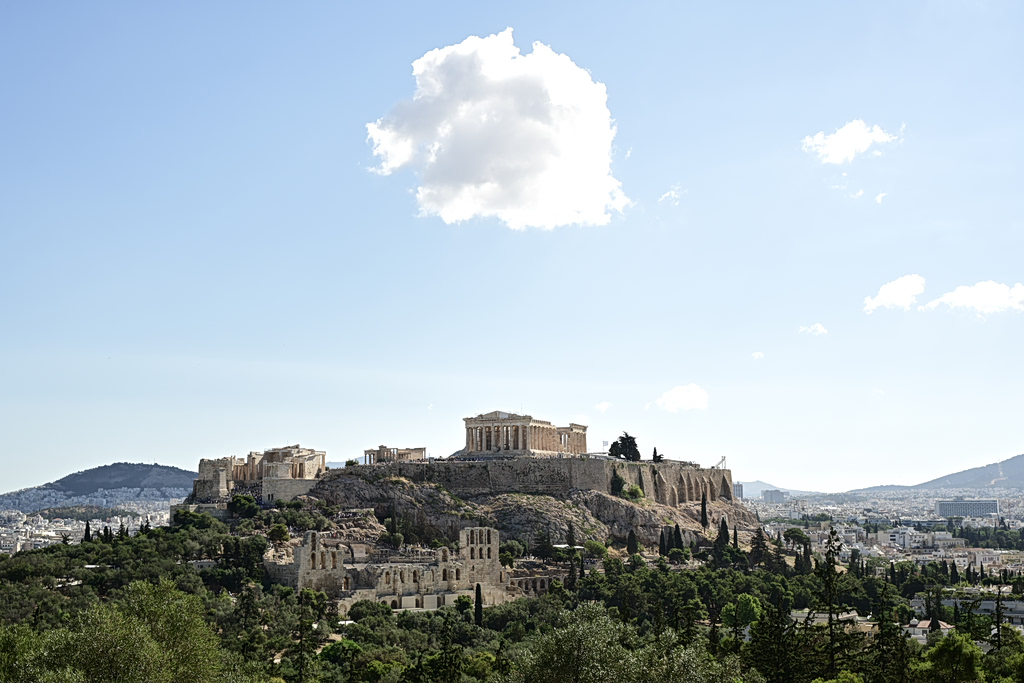
Athens Mayor Haris Doukas has stated that while tourism is vital for the city, it is essential for neighborhoods to remain vibrant and livable for their residents. The city has successfully transformed into a 12-month tourist destination, attracting visitors throughout the year. However, this sustained influx of tourism has placed significant pressure on local communities. The mayor's remarks highlight a growing concern about the balance between economic benefits derived from tourism and the preservation of the quality of life for Athenians. The challenge lies in managing the impacts of increased visitor numbers on residential areas, ensuring that the city's development benefits all stakeholders. Addressing this requires strategic planning to mitigate potential negative consequences on local infrastructure and social fabric.
The successful transition of Athens into a year-round tourist destination presents a classic urban planning dilemma. While tourism drives economic growth and employment, its unchecked expansion can lead to 'overtourism,' impacting local housing affordability, infrastructure strain, and the erosion of neighborhood character. Mayor Doukas's statement signals a recognition of these externalities. Future policy will likely focus on sustainable tourism models that balance economic imperatives with resident well-being, potentially through zoning regulations, visitor dispersal strategies, and investments in public services. The challenge is to harness tourism's benefits without sacrificing the city's soul, a critical consideration as global cities increasingly grapple with similar pressures in the coming decade.
AI-generated to prompt reflection — not editorial opinion, not advice, not a statement of fact. How this works.